 My mother was Croatian, my father was Slovak. As a result, I was immersed in two different Eastern European cultures, each with their own set of traditions. It seems that these traditions came to the forefront during the holiday season.
As a Slovak, I was fortunate to be able experience one of the most beloved Christmas traditions, the Vilija (pronounced vă – lē´ -yă.) Vilija is the traditional Christmas eve gathering and dinner that is rich with traditional foods, religious symbolism and family.
The vilija continues to this day in my family, and although the venue may have changed, the traditions and symbolism remains intact. What an incredible testimony and homage to the parents, grandparents and hunky culture that helped to set our moral compass.
As part of this posting, I have included a 2005 article from the Pittsburgh Tribune-Review by Karin Welzel. The author does an outstanding job of explaining the tradition, the content and the meaning behind the celebration. Rather than be redundant, allow me to give you my impressions and memories of the event as I experienced it in the 50’s.
The vilija always took place at my Uncle Gary and Aunt Helen’s home in West Mifflin. Just like a scene from “A Big Fat Greek Wedding,” I remember entering their house and immediately getting drawn into the crowd of family that were already preparing the feast.
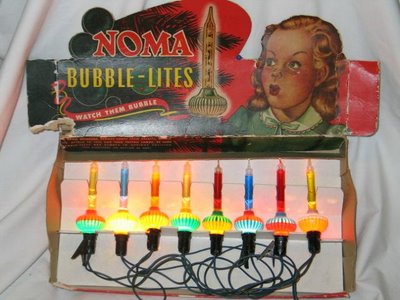
Their home was always decked out with Christmas decorations galore and every light in the house seemed to be burning. Usually, by Christmas eve in Western Pennsylvania, the weather had usually taken a definite turn and it was normally either snowing or on the verge of doing so. For that reason, whenever I entered their home, it felt so toasty warm compared to the outdoors. Their windows were usually steamed up from all of the cooking that was occurring and from the cranked-up thermostat (Grandma was always cold you know). And then there were the smells! The freshly cut Christmas tree scent hit me as soon as I entered the house. (It must have been the magic aspirins!) Combined with the smell of fresh pine was the amazing aroma emanating from the kitchen and dining room.
All of my aunts were buzzing around a rather cramped kitchen preparing all of the traditional foods. Somehow, all of the foods which were part of our every day lives growing up as a hunky smelled so much better on Christmas Eve! Stuffed cabbages, pirogies, kielbasa and poppy seed rolls smelled like food for the gods! I was a very picky eater in those days, but somehow, a became a modern day foodie during the vilija.
My uncles had the responsibility of creating a dining surface large enough to accommodate our ever growing family. Since my dad was one of 8 children, the number of people attending was quite large. There was no such thing as a “kids table” in those days, so the eating surface had to accommodate approximately 25 people PLUS the feast itself. The table was usually assembled using two tables which supported large sheets of plywood. It was at least 16 feet long, extended from the dining room into the living room and was always covered with crisp white linens. There were never any decorations on the table, only food, lots and lots of food! The chairs that surrounded the table were a potpourri of chairs from around the house, the out-of-town neighbors and often times from St. Michael’s Church hall. Your seat may not have matched with the neighboring chair, but every family member had their place.
The timing of the dinner was very strategic. It was essential that we ate and were finished with dinner by 6 p.m. In those days, it was important that we allowed for the correct about of time before receiving communion at midnight mass. The Roman Catholic Church has very specific rules governing communion.
Grandpa would always begin the vilija with a blessing. This would be followed by the passing of oplatky (non-blessed communion bread). We would pass a large square piece of oplatky and each person would break a small piece off to be consumed in unison at the end of Grandpa’s blessing. I remember tha the oplatky would always come to the table in an envelop that was decorated with a colorful representation of the birth of Christ.
Once we had taken our oplatky, the feast began. With amazing speed and dexterity, plates and bowls of food were passed around the table and plates were loaded up to the max. Jokes, teasing, memories, and plans for the holidays were just some of the discussions that occurred during the meal. My dad would always be yelled at by my mom and my Aunt Helen for something he might have said to instigate some trouble, but that was expected, and welcome. After the main courses were completed, out came platters and platters of goodies. Poppyseed, apricots and walnuts seemed to be part of every creation. Each would probably be capable of clogging any artery in the room, but somehow, it either didn’t happen or didn’t matter in those days. Naivety was bliss in those days.
Once the dinner was over, my aunts would begin clean-up. Sexist or not, that was the way it was in those days. The men would gather and have some celebratory “shots” and beers, the kids would share their wish lists with each other and the ladies would clean-up the remnants of the feast. There seemed to be an unspoken exception to the communion rule in our family that shots and beers didn’t count when it came to abstaining before communion. Go figure.
After everything was in order, each family departed to get ready for midnight mass at their own parish church. Fully stuffed and raring to go, the remainder of the Christmas Eve activities still laid ahead.
More later………
Celebrate Slovak Style
By Karin Welzel
TRIBUNE-REVIEW
Sunday, December 11, 2005
From the straw scattered under the dining table to the honey that is spread onto thin oplatky to share among diners, the Slovak Christmas Eve meal — called the Vilija table — abounds with religious symbolism.
Christmas Eve is the most awaited day of the Christmas holiday season, according to Albina and Joseph Senko of Mt. Lebanon, members of Western Pennsylvania’s Slovak community.
“The big day is Christmas Eve rather than Christmas Day,” says Albina Senko, a native of Spis in Slovakia. She is a director of the Western Pennsylvania Slovak Cultural Association, founded by her husband in 1997.
A certified public accountant with McKeever Varga & Senko and a certified financial planner, Joseph Senko also is honorary consul to the Slovak Republic.
The Senkos continue to observe the customs and traditions of their ancestry — Joseph Senko was born in Pittsburgh to Slovakian immigrants — and have made it a personal mission to educate Slovak-Americans and the general public about their culture. They are Roman Catholic, as are most of the inhabitants, but they say Byzantine and Orthodox Rite worshipers might follow similar traditions. Slovakia features a wide variety of dialects and customs, varying from region to region, village to village, family to family.
Albina Senko has her home decorated Slovak-style, including a table-size tree festooned with edible ornaments, such as whole walnuts and wrapped candy. There are intricate ornaments made from straw. On larger trees many years ago, family members used apples, paper roses and candles for decorations, too. The top of the tree often was a star made from straw.
Slovak cooks are busy on Christmas Eve, Albina Senko says. Sauerkraut-mushroom or pea soup, bobalky (sweet dough dumplings) and a variety of fish are a must, as well as meatless pirohy, to maintain the fast observed by the faithful during Advent, which begins the fourth Sunday before Christmas.
In anticipation of the celebration, hay or straw is placed under the tablecloth or under the table — or both places — to symbolize the poverty of Christ in a humble manger. Some families place straw in the center of the Advent candle wreath, Albina Senko says, and a figure of the baby Jesus is placed on top.
The table is covered with a white cloth as a symbol of the swaddling clothes of the Christ child. Another tradition is to set an extra place setting to receive a stranger or in honor of a deceased loved one.
The dinner starts at the sighting of the first star of the evening.
“You tell the youngest child to look for it — it may be that it’s just to keep them occupied, because there is a lot of expectation,” says Albina, adding that there is just as much merriment at her house for Christmas Eve now as when her six children were small. She has grandchildren who are excited about the lights, the dinner and gifts.
After the house and table are blessed using a pine bough and holy water, a mulled red wine steeped with cinnamon sticks or herbs and honey is served to diners. Albina Senko sweetens her wine with cranberry juice, cinnamon-sugar and a dash of nutmeg.
The ceremony then focuses on a waferlike “bread” called oplatky (altar bread) that is broken, dipped in honey and distributed to each family member, starting with the husband to his wife. The head of the household dips his thumb in honey and makes the sign of the cross on the foreheads of each member of the household so they will be reminded to keep Christ foremost in their thoughts and praying that harmony will sweeten their lives.
Part of this ceremony focuses on daughters who are eligible for marriage.
Says Albina Senko: “The mother takes honey on her finger, makes a cross on their heads and says, ‘May you be sweet and find a husband soon!’ I did it with my own daughters.”
The next course usually is a tart soup — sauerkraut and mushroom is a popular choice — to represent the bitter destiny of Christ and his suffering for humanity. The family then loads up their plates with bobalky, sweet dough balls baked and mixed with sauerkraut or poppy seeds, symbolic of a plentiful crop. Joseph Senko likes a topping of cottage cheese on them, too.
Platters display a variety of fish that has been floured and quickly sauteed in oil. Because Slovakia is land-locked, carp and trout are common, but Albina Senko likes white fish such as tilapia to grace her table.
Also served are pirohy stuffed with fillings ranging from sauerkraut to cheese and potato; and English peas, which represent a bountiful growing season. Albina Senko folds peas into a mayonnaise-rich potato salad; other families fold peas into hot mashed potatoes. Holubky are cabbage rolls stuffed with ground mushrooms and rice.
The Vilija ends on a sweet note, with nut and poppy seed rolls. Walnuts in the shell and apples also are placed on the table.
None of the foods contain meat, still keeping with the Advent fast.
To wrap up the meal sweetly, Slovaks traditionally serve kolaci, pastry rolls made with sweet dough filled with poppy seeds, dried fruit or nuts.
In recognition of the empty seat at the table, none of the food is removed from the table after the diners are finished. “It’s for the people who couldn’t be there,” Albina Senko says. Before midnight in Slovakia, the animals in the barns are given remnants of the meal — the food from the table is supposed to make them healthy and productive for the coming year.
The Senkos host tours regularly to Slovakia to acquaint Americans with their culture. Albina Senko is a retired travel tour operator, as well as a frequent translator for Slovakian visitors and officials who visit Pittsburgh. It is their wish to improve the lives of their countrymen across the sea and bring Slovakian culture into the homes of the general public.
These traditional dishes of a Slovak Christmas Eve table feature simple, earthy ingredients — plus a bevy of sweets.
Slovak Christmas Eve Soup
(Sauerkraut Soup)
This recipe is adapted from one by Albina Senko, a native Slovakian who lives in Mt. Lebanon. Senko is from Spis in the northeast region of the Carpathian Mountains. Although Slovakia is only about the size of West Virginia , with 5.5 million people, Senko says, there is a lot of variety in customs among the towns and villages.
- 2 tablespoons vegetable oil
- 1 medium-size yellow onion, chopped
- 1 cup sliced mushrooms
- 1 can (16 ounces) sauerkraut, drained but rinsed only lightly
- Water
- Paprika, to taste
- Salt and ground black pepper, to taste
- 1 vegetable bouillon cube, optional
- 1 carrot, sliced
- 1 potato, peeled and diced
Heat the oil in a soup pot. Add the onions and mushrooms and saute until translucent. Add the drained sauerkraut, water to cover the sauerkraut, paprika, salt, black pepper and the bouillon cube, if desired. Let simmer — do not boil — adding more water so you still have broth.
Add the carrot and potato and simmer until tender, for about 15 to 20 minutes, adding more water as needed to keep a souplike consistency.
Bobalky
These bite-sized dumplings can be made from frozen and thawed sweet bread dough to save time. Form portions of the dough into 1-inch rolls, then cut small pieces and bake. The National Slovak Society offers this recipe.
- 1 package active dry yeast
- 1/2 cup lukewarm water
- 1 teaspoon salt
- 2 tablespoons granulated sugar, divided
- 6 cups all-purpose flour, more for dusting board
- 1/4 cup vegetable oil, more for greasing baking sheet
- About 2 cups tap water
- Boiling water
Dissolve the yeast in the lukewarm water. Add the salt and 1 tablespoon sugar. Let set to proof, for about 10 minutes.
Sift together the flour and remaining 1 tablespoon sugar. Add the yeast mixture, 1/4 cup oil and enough of the 2 cups tap water to make a workable dough. Knead well. Let the dough rise until doubled.
Meanwhile, grease a cookie sheet with oil.
Punch down the dough. Cut off portions of the dough about the size of an egg. Roll each out on a floured board by hand to make rolls about 1 inch in diameter. Cut into 1-inch pieces. Place the pieces on the prepared cookie sheet and let rise for about 20 minutes.
Heat the oven to 350 degrees.
Bake the dumplings for about 10 minutes, or until lightly browned. Let cool, then separate. Place in a colander and pour boiling water over them. Drain quickly to prevent sogginess.
Combine these mixtures with half of the bobalky.
Sauerkraut: Saute 1 small onion, chopped, in 2 tablespoons vegetable oil. Add 1 pound drained sauerkraut. Cook for about 15 minutes. Add to half of the bobalky.
Poppy seeds: Combine 1 cup ground poppy seeds, 2 tablespoons honey and 1/4 cup water. Add to the remaining bobalky.
Oplatky
Commercially prepared Oplatky — the thin wafers coated with honey and then broken at dinner on Christmas Eve and shared among diners — is available from specialty food markets, Slovak and Polish churches and can be purchased through the Internet. Or, you can make your own, using a hot iron form or mold. This recipe is from the National Slovak Society.
- 5 cups all-purpose flour
- 1/4 cup granulated sugar
- 5 teaspoons butter, melted
- 2 cups cold milk
- 3 3/4 cups cold water
Combine all ingredients in a large bowl until the mixture has a “pancake” batter texture — smooth and thin. Pour small portions — about a heaping tablespoon — onto a very hot iron form or mold.
Makes 98 oplatky, about 5 inches in size.
The Slovak Christmas Eve dinner does not contain dairy or animal products because the day before the Feast of the Nativity is one of strict fast and spiritual preparation. Here are some foods likely to be served. Their appearance depends upon whether the family is Roman Catholic, Byzantine or Orthodox.
Bandurky — Potatoes, usually boiled, to which onions sauteed in oil have been added. Many families prepare potatoes that are mashed and mixed with peas or prunes.
Bobalky — Small balls of dough prepared with honey and poppy seeds or sauerkraut
Borscht — Beet soup sometimes prepared with cabbage
Fasolji — Prepared brown bean paste spread onto bread
Garlic — Eaten raw on the Christmas bread dipped in honey, intended to keep away the evil spirits
Holuby — Cabbage rolls stuffed with ground mushrooms and rice
Hribi — Mushrooms sauteed with onions in oil
Kapusta i bandurky — Sauerkraut mixed with grated potatoes
Kasa — Rice, sometimes served as a separate dish with zapraska or macanka over it as a gravy
Kvasna Kapusta — Sauerkraut
Loksa (Loksha) — Unraised biscuits
Med — Honey, symbolic of the sweetness of being with the Lord.
Mezanec — An unleavened Christmas bread usually dipped in honey and eaten with a slice of raw garlic
Orehi — Nuts
Pagac — Two layers of dough between which cabbage or potatoes have been spread, then baked
Pirohy (often spelled pierogies) — Dough packets filled with sauerkraut, potatoes, sweet cabbage or prunes
Riba — Fish, usually a white fish baked or smoked, which is symbolic of the Christian faith because Christ was the fisher of men
Sol — Salt
Suseni slivki — Stewed prunes
Zapraska — A thick brown sauce used to prepare various soups and gravies. Among the soups prepared with Zapraska base:
Macanka (Machanka)— A thick mushroom soup
Sauerkraut Soup, with sauerkraut juice added. Usually single ingredients such as green beans, peas, lima beans, mushrooms or butter beans can be added.
Lima Bean Soup
Mushroom-Sauerkraut Soup
Green Split Pea Soup
Caraway Soup
Green Bean Soup
Rice and Mushroom Soup
— National Slovak Society, Canonsburg

 were a number of shops and stores where my mom enjoyed. The shopping Mecca in Duquesne, as I remember it, was primarily located on First Street between Grant Avenue and Hamilton Avenue and on Grant Avenue between First and Second Streets. There were several other shops that Mom enjoyed going to that were further up Grant Ave. such as Salkowitz’s Dress Shop, but for the most part we stayed in main shopping area.
 What a wealth of stores; Cox’s, The Famous, Jaison’s, Immel;s, Katzman’s, David Israel’s, and Kadar’s. Then there were the specialty stores like; The Golden Rule, National Record Mart and the variety stores like; G.C.Murphy and H.L.Green,
 Christmas Eve. It seemed perfectly normal. I remember going to Katzman’s with him to buy my mom a slip. The lingerie department was on the mezzanine of the store. The saleslady pulled out several different slips from the wall of drawers that lined the wall behind the glass showcases. She pulled out dozens until Dad finally settle on the perfect color. Leopard skin!!!! It was like the 1950’s of Victoria’s Secret!
 indicated the number of shopping days left til Christmas along with a reminder to by Christmas seals. Oh, those were the days……..



 The Duquesne Hunky