Ask and You Shall Receive

Bob Chermonitz & Lorraine Spade Fabrizi, both former Holy Name Grade School classmates of mine, shared a very interesting Facebook post from a gentleman by the name of Steve Herman. 

Being of “the age” where I am able to take advantage of some of the “perks” of being older, I feel compelled to share the information with anyone who may benefit from it. For those of you who are “of the age,” GO FOR IT! If you happen to not be old enough to take More Pleaseadvantage of any of there discounts, please, tell someone who is! 

I cannot confirm the accuracy of the information, but as the post suggests, just ask! And in the words of little Oliver, “MORE PLEASE!”


As I was waiting in line behind gentleman at Wendy’s recently, I heard him ask for his senior discount. The girl at the register apologized and charged him less. When I asked the man what the discount was, he told me that
seniors over age 55 …get 10% off everything on the menu, every day. (But you need to ASK for your discount.)

Being of ‘that’ age myself, I figured I might as well ask for the discount too. This incident prompted me to do some research, and I came across a list of restaurants, supermarkets, department stores, travel deals and other types of offers giving various discounts with different age requirements. I was actually surprised to see how many there are and how some of them start at the young age of 50.
This list may not only be useful for you, but for your friends and family too.

Dunkin Donuts gives free coffee to people over 55 .
If you’re paying for a cup every day, you might want to start getting it for FREE.

YOU must ASK for your discount!

RESTAURANTS:
Applebee’s: 15% off with Golden Apple Card (60+)
Arby’s: 10% off ( 55 +)
Ben & Jerry’s: 10% off (60+)
Bennigan’s: discount varies by location (60+)
Bob’s Big Boy: discount varies by location (60+)
Boston Market: 10% off (65+)
Burger King: 10% off (60+)
Chick-Fil-A: 10% off or free small drink or coffee ( 55+)
Chili’s: 10% off ( 55+)
CiCi’s Pizza: 10% off (60+)
Denny’s: 10% off, 20% off for AARP members ( 55 +)
Dunkin’ Donuts: 10% off or free coffee ( 55+)
Einstein’s Bagels: 10% off baker’s dozen of bagels (60+)
Fuddrucker’s: 10% off any senior platter ( 55+)
Gatti’s Pizza: 10% off (60+)
Golden Corral: 10% off (60+)
Hardee’s: $0.33 beverages everyday (65+)
IHOP: 10% off ( 55+)
Jack in the Box: up to 20% off ( 55+)
KFC: free small drink with any meal ( 55+)
Krispy Kreme: 10% off ( 50+)
Long John Silver’s: various discounts at locations ( 55+)
McDonald’s: discounts on coffee everyday ( 55+)
Mrs. Fields: 10% off at participating locations (60+)
Shoney’s: 10% off
Sonic: 10% off or free beverage (60+)
Steak ‘n Shake: 10% off every Monday & Tuesday ( 50+)
Subway: 10% off (60+)
Sweet Tomatoes: 10% off (62+)
Taco Bell : 5% off; free beverages for seniors (65+)
TCBY: 10% off ( 55+)
Tea Room Cafe: 10% off ( 50+)
Village Inn: 10% off (60+)
Waffle House: 10% off every Monday (60+)
Wendy’s: 10% off ( 55 +)
Whataburger: 10% off (62+)
White Castle: 10% off (62+) This is for me … if I ever see one again.

RETAIL & APPAREL :
Banana Republic: 30% off ( 50 +)
Bealls: 20% off first Tuesday of each month ( 50 +)
Belk’s: 15% off first Tuesday of every month ( 55 +)
Big Lots: 30% off
Bon-Ton Department Stores: 15% off on senior discount days ( 55 +)
C.J. Banks: 10% off every Wednesday (50+)
Clarks : 10% off (62+)
Dress Barn: 20% off ( 55+)
Goodwill: 10% off one day a week (date varies by location)
Hallmark: 10% off one day a week (date varies by location)
Kmart: 40% off (Wednesdays only) ( 50+)
Kohl’s: 15% off (60+)Modell’s Sporting Goods: 30% off
Rite Aid: 10% off on Tuesdays & 10% off prescriptions
Ross Stores: 10% off every Tuesday ( 55+)
The Salvation Army Thrift Stores: up to 50% off ( 55+)
Stein Mart: 20% off red dot/clearance items first Monday of every month ( 55 +)

GROCERY :
Albertson’s: 10% off first Wednesday of each month ( 55 +)
American Discount Stores: 10% off every Monday ( 50 +)
Compare Foods Supermarket: 10% off every Wednesday (60+)
DeCicco Family Markets: 5% off every Wednesday (60+)
Food Lion: 60% off every Monday (60+)
Fry’s Supermarket: free Fry’s VIP Club Membership & 10% off every Monday ( 55 +)
Great Valu Food Store: 5% off every Tuesday (60+)
Gristedes Supermarket: 10% off every Tuesday (60+)
Harris Teeter: 5% off every Tuesday (60+)
Hy-Vee: 5% off one day a week (date varies by location)
Kroger: 10% off (date varies by location)
Morton Williams Supermarket: 5% off every Tuesday (60+)
The Plant Shed: 10% off every Tuesday ( 50 +)
Publix: 15% off every Wednesday ( 55 +)
Rogers Marketplace: 5% off every Thursday (60+)
Uncle Guiseppe’s Marketplace: 15% off (62+)

TRAVEL :
Airlines:
Alaska Airlines: 50% off (65+)
American Airlines: various discounts for 50% off non-peak periods (Tuesdays – Thursdays) (62+)and up (call before booking for discount)
Continental Airlines: no initiation fee for Continental Presidents Club & special fares for select destinations
Southwest Airlines: various discounts for ages 65 and up (call before booking for discount)
United Airlines: various discounts for ages 65 and up (call before booking for discount)
U.S. Airways: various discounts for ages 65 and up (call before booking for discount)
Rail:
Amtrak: 15% off (62+)
Bus:
Greyhound: 15% off (62+)
Trailways Transportation System: various discounts for ages 50+

CAR RENTAL:
Alamo Car Rental: up to 25% off for AARP members
Avis: up to 25% off for AARP members
Budget Rental Cars: 40% off; up to 50% off for AARP members ( 50+)
Dollar Rent-A-Car: 10% off ( 50+) Enterprise Rent-A-Car: 5% off for AARP members Hertz: up to 25% off for AARP members
National Rent-A-Car: up to 30% off for AARP members

OVERNIGHT ACCOMMODATIONS:
Holiday Inn: 20-40% off depending on location (62+)
Best Western: 40% off (55+)
Cambria Suites: 20%-30% off (60+)
Waldorf Astoria – NYC $5,000 off nightly rate for Presidential Suite (55 +)
Clarion Motels: 20%-30% off (60+)
Comfort Inn: 20%-30% off (60+)
Comfort Suites: 20%-30% off (60+)
Econo Lodge: 40% off (60+)
Hampton Inns & Suites: 40% off when booked 72 hours in advance
Hyatt Hotels: 25%-50% off (62+)
InterContinental Hotels Group: various discounts at all hotels (65+)
Mainstay Suites: 10% off with Mature Traveler’s Discount (50+); 20%-30% off (60+)
Marriott Hotels: 25% off (62+)
Motel 6: Stay Free Sunday nights (60+)
Myrtle Beach Resort: 30% off ( 55 +)
Quality Inn: 40%-50% off (60+)
Rodeway Inn: 20%-30% off (60+)
Sleep Inn: 40% off (60+)

ACTIVITIES & ENTERTAINMENT :
AMC Theaters: up to 30% off ( 55 +)
Bally Total Fitness: $100 off memberships (62+)
Busch Gardens Tampa, FL: $13 off one-day tickets ( 50 +)
Carmike Cinemas: 35% off (65+)
Cinemark/Century Theaters: up to 35% off
Massage Envy – NYC 20% off all “Happy Endings” (62 +)
U.S. National Parks: $10 lifetime pass; 50% off additional services including camping (62+)
Regal Cinemas: 50% off Ripley’s Believe it or Not: @ off one-day ticket ( 55 +)
SeaWorld, Orlando , FL : $3 off one-day tickets ( 50 +)

CELL PHONE DISCOUNTS:
AT&T: Special Senior Nation 200 Plan $19.99/month (65+)
Jitterbug: $10/month cell phone service ( 50 +)
Verizon Wireless: Verizon Nationwide 65 Plus Plan $29.99/month (65+).

MISCELLANEOUS:
Great Clips: $8 off hair cuts (60+)
Supercuts: $8 off haircuts (60+)

NOW, go out there and claim your discounts – – and remember — YOU must ASK for discount —- no ask, no discount.
I Know everyone knows someone over 50 please pass the one on!!!!!


Posted in Uncategorized | 8 Comments

Honoring Memorial Day

As you prepare for all of the Memorial Day festivities that await you, take a moment to remember all of the brave men and women who have served or laid down their lives in the defense of our great nation. On behalf of all of the grateful citizens from Duquesne, THANK YOU and GOD BLESS YOU!

!B-z3I2w!mk~$(KGrHqIOKogEy+jC)otJBM9veyBZr!~~_12

When I’m Gone

– Mrs. Lyman Hancock

When I come to the end of my journey
And I travel my last weary mile,
Just forget if you can, that I ever frowned
And remember only the smile.

Forget unkind words I have spoken;
Remember some good I have done.
Forget that I ever had heartache
And remember I’ve had loads of fun.

Forget that I’ve stumbled and blundered
And sometimes fell by the way.
Remember I have fought some hard battles
And won, ere the close of the day.

Then forget to grieve for my going,
I would not have you sad for a day,
But in summer just gather some flowers
And remember the place where I lay,

And come in the shade of evening
When the sun paints the sky in the west
Stand for a few moments beside me
And remember only my best.

Dad

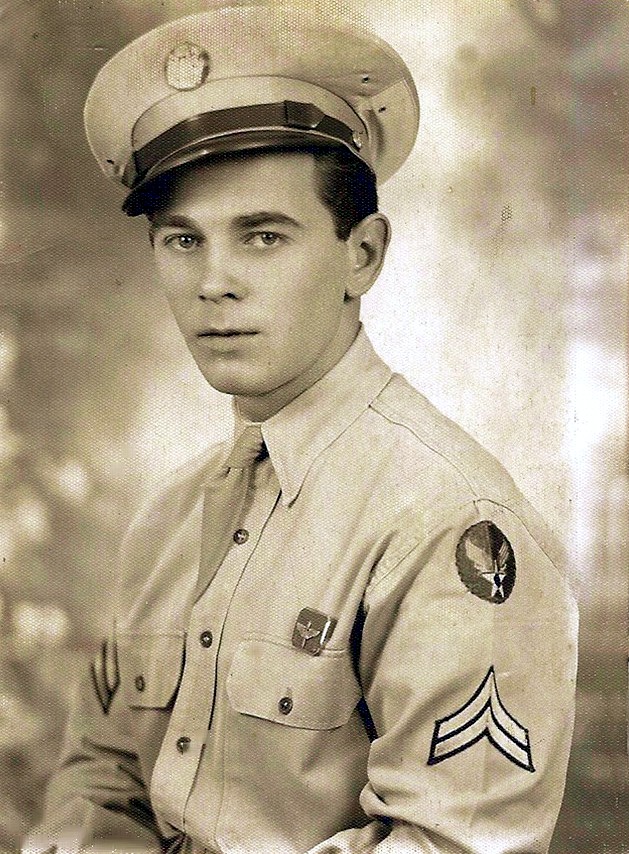
The book “Glory Years” by Pittsburgh author Jim O’Brien has a story of my father, Steve Volk, which I would like to share with you once again in his honor and as a reminder of how so many of our fathers were courageous members of the armed forces:  

Steve Volk “I’m 110 percent”

A light rain fell all weekend on the fresh grave at St. Joseph’s Cemetery in West Mifflin. It soaked a small American flag that had been stuck in the mound so that the flag soon stopped flapping in the breeze.

The flag signified that the decreased man was a military veteran, one of those we ought to remember and pay tribute to on Memorial Day.

A larger American flag was folded in a triangle at the top of the casket, and had caught my eye, during the viewing earlier in the week at the Gregris Funeral Home in Duquesne. It’s the favored funeral home for Croatian Catholics in the community, across the street from the high school, up the steep hill from where the U.S. Steel Works once dominated the landscape.

Steve Volk, my wife’s uncle, had lived most of his 84 years in Duquesne, and once owned an automotive repair shop there. He later managed an automotive repair unit of J.C. Penney’s. He died in May of 1999.

During World War II, Volk trained airplane mechanics for the U.S. Army at an airfield near Chicago. Like most men and women who were in the military service, he was not a decorated war hero. He simply served his country as best he could and when he came back home he got a job and raised a family.                             

Steve Volk was no big shot, just a simple man. He was about 5′ 7″,  but walker tall and was a sociable fellow. I didn’t know him that well, but every time I saw him at a family get-together he wore a hat and a smile. When anyone asked how he was doing, he would reply, “I’m 110 percent.”

He was the sort of man NBC newscaster Tom Brokaw wrote about in his best-selling book, “The Greatest Generation.” It dealt with individual men and women who came of age during the Great Depression and World War II and went on to build modern America.  “This generation was united not only by a common purpose,” wrote Brokaw, “but also by common values — duty, honor, economy, courage, service, love of family and country~ and, above all, responsibility for oneself.”

Steve was the oldest of eight children. He was survived by his sisters,  Helen Volk and Peggy Rusnica, and his brothers, Gary and Joseph. He was  preceded in death by his brothers, John, Henry and Michael.

Volk did a great job of raising his sons, Steve and Jimmy, now in their mid-40’s. Young Steve was just 14 and Jimmy 12 when their mother, Mildred Volk, died. They’ve always been good kids, and now they  have wonderful families of their own. Their dad taught them how to do  that.

Steve has been a big success in the insurance business, and Jimmy has done just as well in the retail business. They have fond memories of their father. He was a simple man who 
enjoyed hunting, fishing, golfing and smiling.

Seeing a movie like “Saving Private Ryan” makes one realize how lucky they were not to have been in combat. It’s the combat veterans who really rate our admiration. But people like Steve Volk did their best in a supportive way.

Posted in Uncategorized | 2 Comments

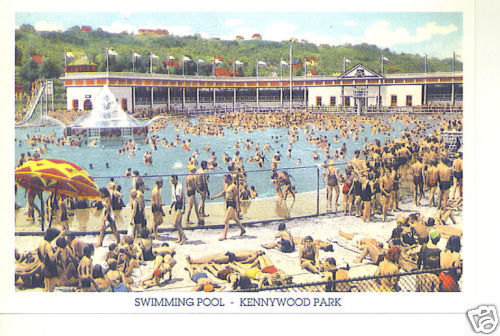
Kennywood’s Sunlight Swimming Pool

Mea Culpa


MEA CULPA

MEA CULPA

MEA MAXIMA CULPA


I am certain that for the majority of you, it must seem like I fell off the face of the earth. Indrop-off-face-of-earth_0 many ways, the days and weeks that have ensued since my last post on April 10, 2014 have kept me in a whirlwind! This has been the longest absence that I have had since I began writing this blog back on 11/29/2010 and I apologize for neglecting all of you!

In my defense however, the events that have transpired for me during the last 39 days have been unprecedented in my life. Let me explain:

  • On Friday April 11th, I drove from Ocean Pines, Maryland to Duquesne, 8+ hours on the road.
  • On Saturday, April 12th, I spent the day with my Aunt Peg. The purpose of my visit was to attend her 88th Birthday party to be held on April 13th, the actual anniversary of her birth.
  • On Sunday, April13, festivities surrounding my aunt’s birthday filled the day. In typical hunky fashion, about 50+ guests celebrated with Aunt Peg at Ciccanti’s on Route 51 in Pleasant Hills.
  • On Monday April 14th at which time I returned to Ocean Pines after an 8+ hour drive.
  • April 15th thru April 22, I moved into my new office in Ocean City, Maryland. A week or more of refiling, reorganizing and setting-up my real estate office. In addition, I had Holy Week and Easter to take part in.
  • April 23rd found me in the ER Department at AGH (Atlantic General Hospital in Berlin, MD) for CHF (congestive Heart Failure) and Pneumonia! Spent three days at AGH and then was taken by ambulance to PRMC (Peninsula Regional Medical Center in Salisbury, MD) for 3 more days including an emergency heart cauterization!
  • Back home from the hospital(s) on the 29th and 30th, resting and taking my antibiotics.
  • May 1st, drove up to my oldest daughter’s place in Exton, PA (outside of Philly) for a BIG event on May 2nd.
  • On May 2nd at 9:01 a.m., my 2nd grandchild, a boy, was delivered via C-section at PaoliPap and MJ General Hospital in Paoli, PA. Weighing in at 7 pounds, 14 ounces, Mason James was a perfect new additional. Mom, Dad, brother and baby are doing fine.
  • Returned home to Ocean Pines on Monday night, May 5th, totally exhausted and ready for a few days of rest.
  • That was not to happen. By Wednesday night, May 7th, I began a 5 day bout with “the runs.”
  • By Monday, May 12, I was back in the ER at AGH. I was diagnosed with Acute Colitis and Acute Lower GI Bleed. Fortunately, after only 5 or 6 hours AND after being rehydrated and administered morphine for the pain, I was sent home. Since then, I spend last week just recovering.

Shore


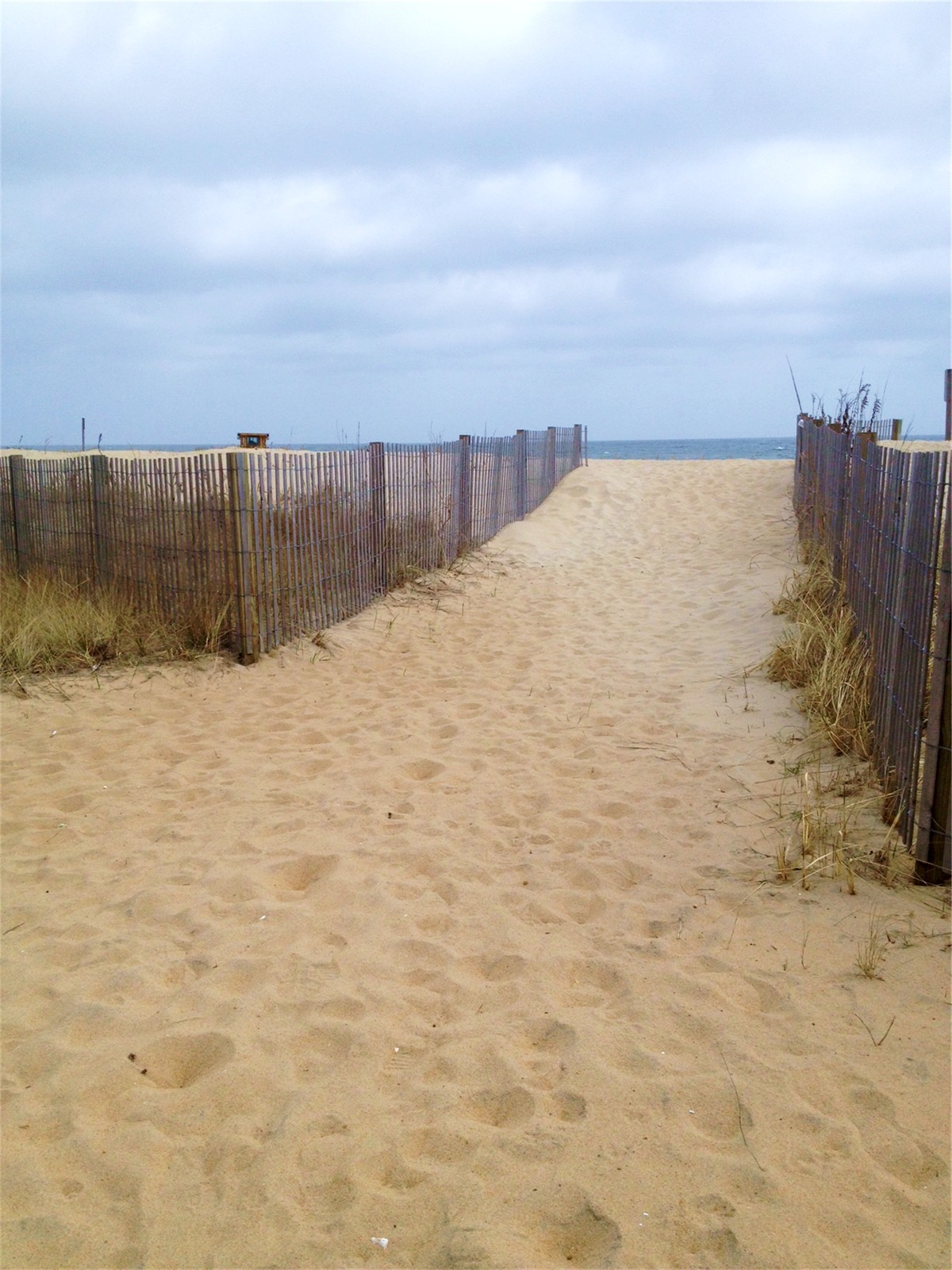
And so, here I sit on May 19th, fully recovered and with a renewed focus on eating healthy and STAYING healthy. My new office is on the ocean side of Coastal Highway in Ocean City, MD between 81st and 82nd Streets. As a result, I’ve just been taking a stroll to the ocean each lunchtime to just sit, relax and unwind. I know that after Memorial Day, the madness in Ocean City will ensue, but being able to sit at my desk and just watch the “crazies” walk by is bound to prove very interesting!


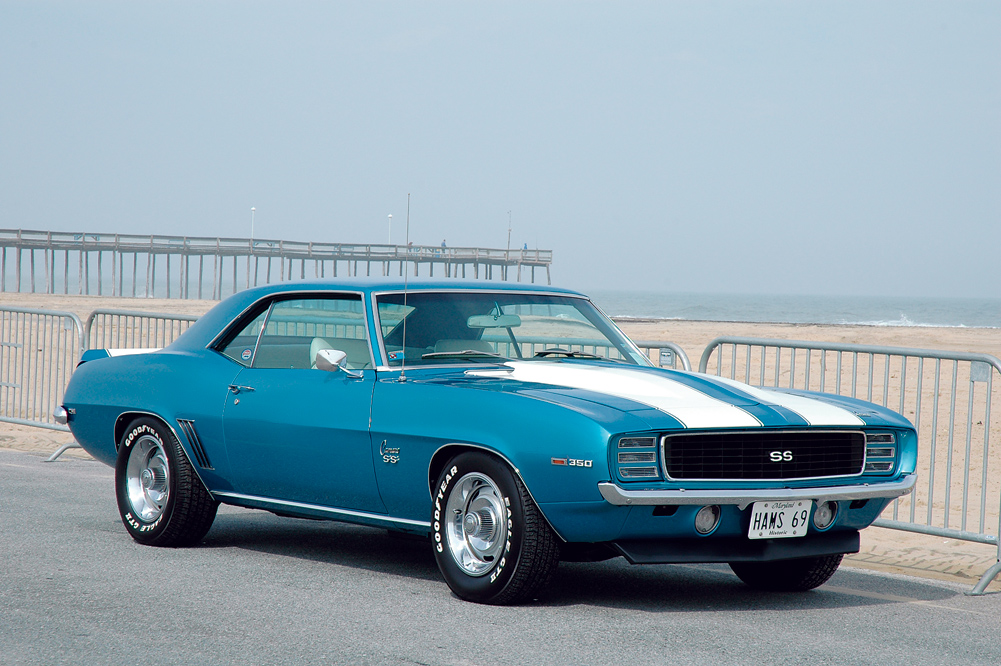
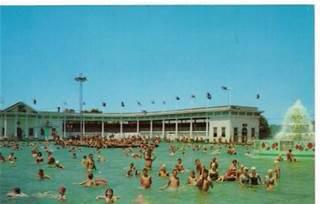
Last week was “HOT ROD WEEK” in Ocean City, and the town was PACKED withcamp-0812-02-ocean-city-hot-rod-event-ss-camaro thousands of restored “muscle cars” from my youth. GTO’s, Roadrunner, Mustangs, etc. roared past my window all day long. The best part for me however, was not the noise, but the smell that permeated the town. There was a distinct, familiar aroma from the exhausts, hot asphalt and occasional grilling meat or Thrasher’s French Fries that brought memories of Kennywood’s Sunlight Pool rushing back to me.

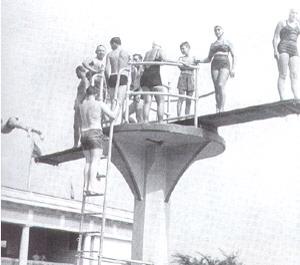
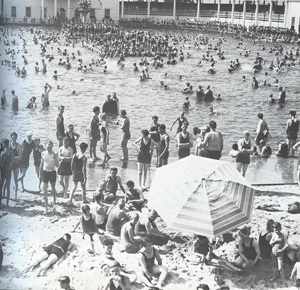
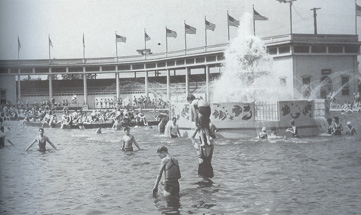
1000x1000My childhood friend, Bob Chermonitz, recently posted a few Kennywood Pool pictures on Facebook that I really enjoyed seeing. Bob’s pictures as well as others that I have found over the years really bring back memories of the pool.

Aside from the distinct smell of fries, hot dogs and pizza being prepared and sold at the pool, there was always the distinct Sunlight Poolaroma of Coppertan Suntan Lotion in the air. Back in the days prior to common knowledge about the dangerous effects of over exposure to the sun, we all strove to get the as dark a tan as possible during the summer. If it wasn’t Coppertone that was being used, one would also catch the distinct sweet smell of Baby Oil from a nearby young lady. Had we only been aware of the dangers of unprotected exposure to the sun, I’m sure a lot of us would have led healthier lives. However, in defense of our actions, that then page 69lingering cloud of mill smoke and smog helped to shield us from the full brunt of the UV rays!

There was another part of HOT ROD WEEK that evoked memories of Kennywood’s Pool for me as well. It seemed that many of the cars totally embraced the era in which they were made by blasting the local Oldies radio station on their car radios. Sounds of Jan & Dean, The Beach Boys, Leslie Gore, Lou Christie, etc. drifted through the air along the beach. I remember how, while at the kenny8pool, we had stereophonic sound before it became popular! It seems that everyone had their own transistor radio tucked under their beach towel or beach blanket while lying around Kennywood’s pool. Just think of how many hours you would spend on that towel, eyes closed, listing perhaps to some Gene Pitney song and hearing the roar of the roller coasters in the park and the excited screams Poolof the riders! Could it have gotten any better???

And so, as we approach the Memorial Day weekend, as you sit on your deck, grill blazing and hamburgers sizzling away, close your eyes for a second or two and harken back to those wonderful days at the park and how excited you would get just seeing mJm-U3gHJdVNz5B_CnriPFAthat big ol’ yellow arrow pointing to the times of your life!!!


Posted in Uncategorized | 32 Comments

LIFE in Duquesne

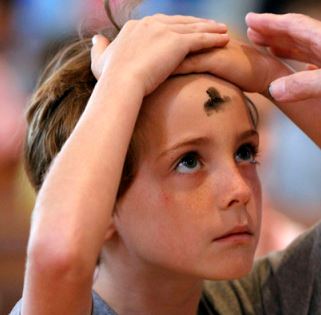
Last week, many of us made our annual midweek trip to Church to obtain the mark of our humanity and mortality. Ash Wednesday, as a child of Holy Name Grade School, was an ashevent that unlike five of the seven sacraments, was not age restricted. Wee ones were able to approach the altar side-by-side with parents and siblings, older kids, teens and adults alike. 

The good sisters at Holy Name did an outstanding job of helping every child understand the solemnity and significance of the Ash Wednesday. I can still hear Sister Martin DePorres telling us the reason behind the ashes as we sat in her 2nd grade classroom. At that age, ANYTHING that a nun would tell us was gospel in our minds. So with awe and wonderment we would proudly wear our ashes throughout the day and spontaneously begin all of our Lenten rituals and responsibilities. 

As a child, I remember the big decision I had to make at the start of each Lenten season. What was I going to give up for Lent? Of course my first inclination was to give up things like spinach or brussel sprouts, but those were never given the thumbs-up from Mom or the nuns since I would NEVER, EVER, consider eating them in the first place. My final choice was usually a STRONLY suggested one from Mom. Candy, cookies, donuts or cake were usually her “go-to” items. The 40 days of Lent were the longest I could ever imagine as a child. 

Here’s a bit of trivia about the 40 days of Lent that unfortunately, I learned too late in life. According to the Catholic Encyclopedia: 

Question: Lent, the period of prayer and fasting in preparation for Easter, is 40 days long, but there are 46 days between Ash Wednesday, the first day of Lent in the Roman Catholic liturgical calendar, and Easter. So how are the 40 days of Lent calculated? 

Answer: The answer takes us back to the earliest days of the Church. Christ’s original disciples, who were Jewish, grew up with the idea that the Sabbath—the day of worship and of rest—was Saturday, the seventh day of the week, since the account of creation in Genesis says that God rested on the seventh day. 

Christ rose from the dead, however, on Sunday, the first day of the week, and the early Christians, starting with the apostles (those original disciples), saw Christ’s Resurrection as a new creation, and so they transferred the day of rest and worship from Saturday to Sunday. 

Since all Sundays—and not simply Easter Sunday—were days to celebrate Christ’s Resurrection, Christians were forbidden to fast and do other forms of penance on those days. Therefore, when the Church expanded the period of fasting and prayer in preparation for Easter from a few days to 40 days (to mirror Christ’s fasting in the desert, before He began His public ministry), Sundays could not be included in the count. 

Thus, in order for Lent to include 40 days on which fasting could occur, it had to be expanded to six full weeks (with six days of fasting in each week) plus four extra days—Ash Wednesday and the Thursday, Friday, and Saturday that follow it. Six times six is thirty-six, plus four equals forty. And that’s how we arrive at the 40 days of Lent! 

Had I known this as a child, I would have definitely used this tidbit as a way to eat sweets on Sundays. DARN!!!! 

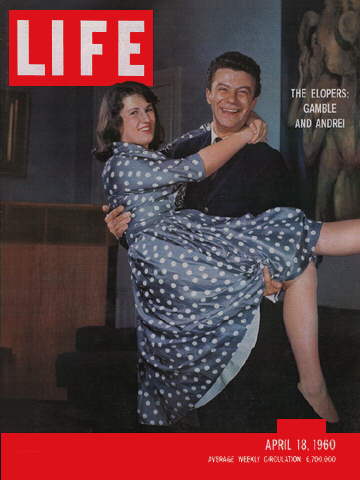
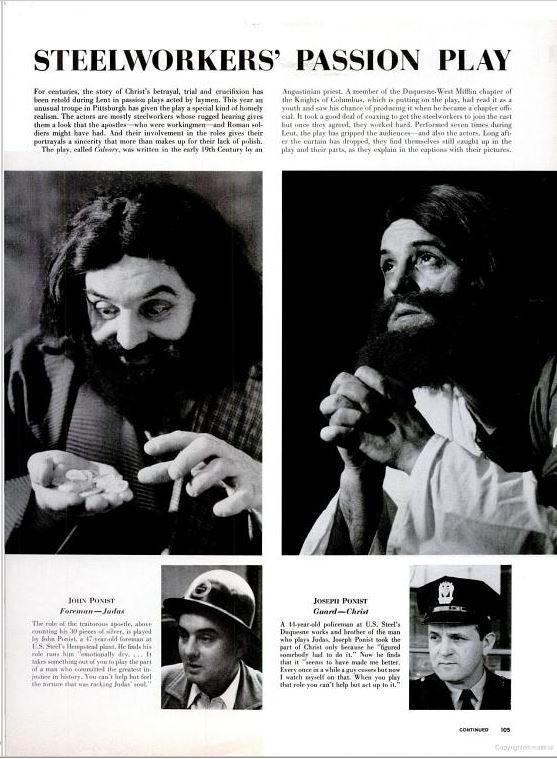
I have to toss out a big “thank you” to Mike Ferchak for the comment he made earlier this 4-18-60week. He reminded me of a Duquesne institution of sorts, and one that was featured in LIFE Magazine in April of 1960. Aside from the rudimentary aspects of the Lenten Season that I remember, I also recall attending one of the performances of the Passion Play at Duquesne Library with my parents. I was able to unearth the article from the April 18, 1960 issue of LIFE and wanted to share it with you.

Just in case your eyesight is as dicey as mine, I’ve transcribed the text from the article so that you can read it more easily.

STEELWORKERS’ PASSION PLAY

For centuries, the story of Christ’s betrayal, trial and crucifixion has been retold during Lent in passion plays acted by laymen. This year an unusual troupe in Pittsburgh has given the play a special kind of homely realism. The actors are mostly steelworkers whose rugged bearing gives them a look that the apostles – who were workingmen – and Roman soldiers might have had. And their involvement in the roles gives their portrayals a sincerity that more than makes up for their lack of polish.

The play, called Calvery, was written in the early 19th Century by an Augustinian priest. A member of the Duquesne-West Mifflin chapter of the Knights of Columbus, which is putting on the play, had read it as a youth and saw his chance of producing when he became a chapter official. It took a great deal of coaxing to get the steelworkers to join the cast, but once they agreed, they worked hard. Preformed seven times during Lent, the play was gripped audiences – and also the actors. Long after the curtain has dropped, they find themselves still caught up in the play and their parts, as they explained in the captions with their pictures.

Passion Play 1

JOHN PONIST

Foreman – Judas

The role of the traitorous apostle, above, counting his 30 pieces of silver, is played by John Ponist, a 47-year-old foreman at U.S.Steel’s Hempstead plant. He finds his role runs him “emotionally dry. . . . . . It takes something out of you to play the part of a man who committed the greatest injustice in history. You can’t help but feel the torture that was racking Judas’ soul.”

JOSEPH PONIST

Guard – Christ

The 44-year-old policeman at U.S.Steel’s Duquesne Works and brother of the man who plays Judas. Joseph Ponist took the part of Christ only because he “figured somebody had to do it.” Now he finds that it “seems to have made me better. Every once in a while a guy cusses but now I watch myself on that. When you play that role you can’t help but act up to it.”

 Passion Play 2

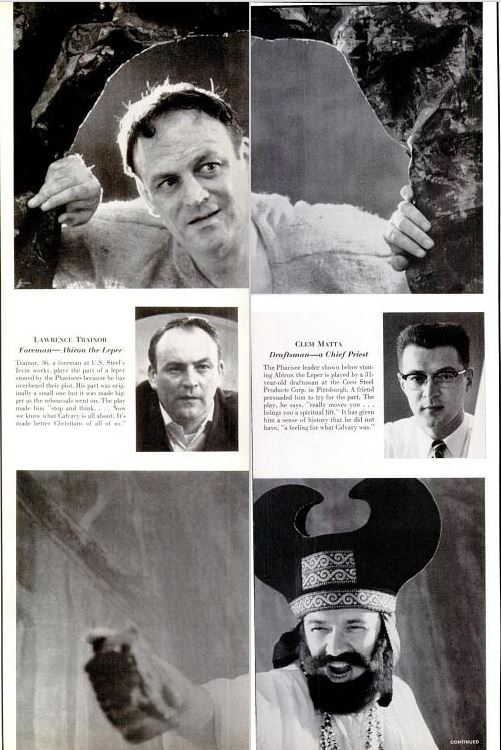
LAWRENCE TRAINOR

Foreman – Abiron the Leper

Trainor, 36, a foreman at U.S.Steel’s Irvin Works, plays the part of a leper stoned by the Pharisees because he has overheard their plot. His part was originally a small one but it was made bigger as the rehearsals went on. The play made him “stop and think. . . . Now we know what Calvary is all about. It’s made better Christians of all of us.”


CLEM MATTA

Draftsman – a Chief Priest

The Pharisee leader shown below stoning Abiron the Leper is played by a 31-year-old draftsman at the Ceco Steel Products Corp. in Pittsburgh. A friend persuaded him to try for the part. The play, he says, “really moves you . . . brings you a spiritual lift.” It has given him a sense of history that he did not have, “a feeling for what Calvary was.”

Passion Play 3

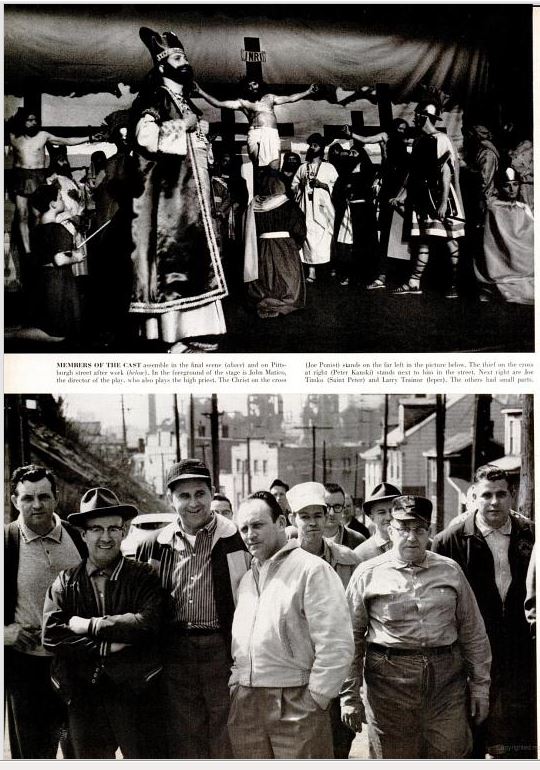
MEMBERS OF THE CAST assemble in the final scene (above) and on a Pittsburgh street after work (below).In the foreground of the stage is John Matico, the director of the play, who also plays a high priest. The Christ on the cross (Joe Ponist) stands on the far left in the picture below. The thief on the cross at right (Peter Kanski) stands next to him in the street. Next are Joe Timko (Saint Peter) and Larry Trainor (leper). The others had small parts.

Thank you again Mike for reminding me to remember! I can’t help but wonder if the “Pittsburgh Street” identified in the last picture was actually taken in Duquesne. Any thoughts?


Posted in Uncategorized | 15 Comments

They Paved Paradise!

Obviously, it has been a while since I’ve posted anything new, and I feel horrible about that. I was going to chalk it up to “writer’s block,” but to be perfectly honest, my absence would be better described as “shell shock” after my wife and I received a “kick in the gut.” In spite of the fact that there has been nothing new posted, I appreciate the fact that you all are still taking the time to visit The Duquesne Hunky blog.

Since I began this blog over three years ago, I have tried to write about my appreciation for Duquesne, the city, the people, the spirit, the way of life. In a city that now exists as a shattered artifact of what was once the very foundation of our existence, my hope was to be able to conjure up memories of why a smile creeps across your face when thinking about our hometown.

 As I was considering what had happened to my creative juices, I thought of a question that had been raised about this blog, the need to be more relevant, and my motivations for reliving and/or dredging up the past. As I was driving home from visiting the kids in Philadelphia, I had a lot of time to just think. During that journey, I had a cathartic moment regarding what motivates me to write.

Certainly, this blog allows me to share snippets of a city that I love, a period of time that I relish, and the family and friends that became the foundation of my very being. Although that sounds very deep and philosophical, the realization of why I write this blog is actually very different than those stated reasons.

I have come to realize, that with each and every passing year, I am becoming invisible; obviously, not in a physical sense, but more so as it would refer to relevancy. Oprah Winfrey once said that every person want one thing in life, “we all just want to know that we matter.”

There came a point in my life that I realized that I would never be rich, famous, brilliant or accomplish anything noteworthy. As I advanced in years, I became more and more mindful of the fact that my past experience in my career field had surpassed a point that it was considered a benefit. It had become an issue and encumbrance that was looked upon as being archaic, outdated and antiquated.

Before I realized it, the type of people I used to seek out to hire, had become the very ones who were now making the decisions about hiring me. In what appeared to be just overnight, I had transitioned from a person whose insight and understanding was sought out, to a person whose point-of-view and mere presence at an interview was perceived as worthy of empathy from the interviewer.

All of this soul searching brought back memories of the turmoil that my father had experienced when he had to face the extinction of his business in Duquesne, due to the “Redevelopment” effort that was to happen. In his late 50’s, he was faced with having to find a job immediately. He was a “single-father” (although that term wasn’t in existence back then.) It was the late 60’s, my brother and I were attending Serra High School, and Dad had an enormous amount of responsibilities, both personal and financial that he was dealing with.

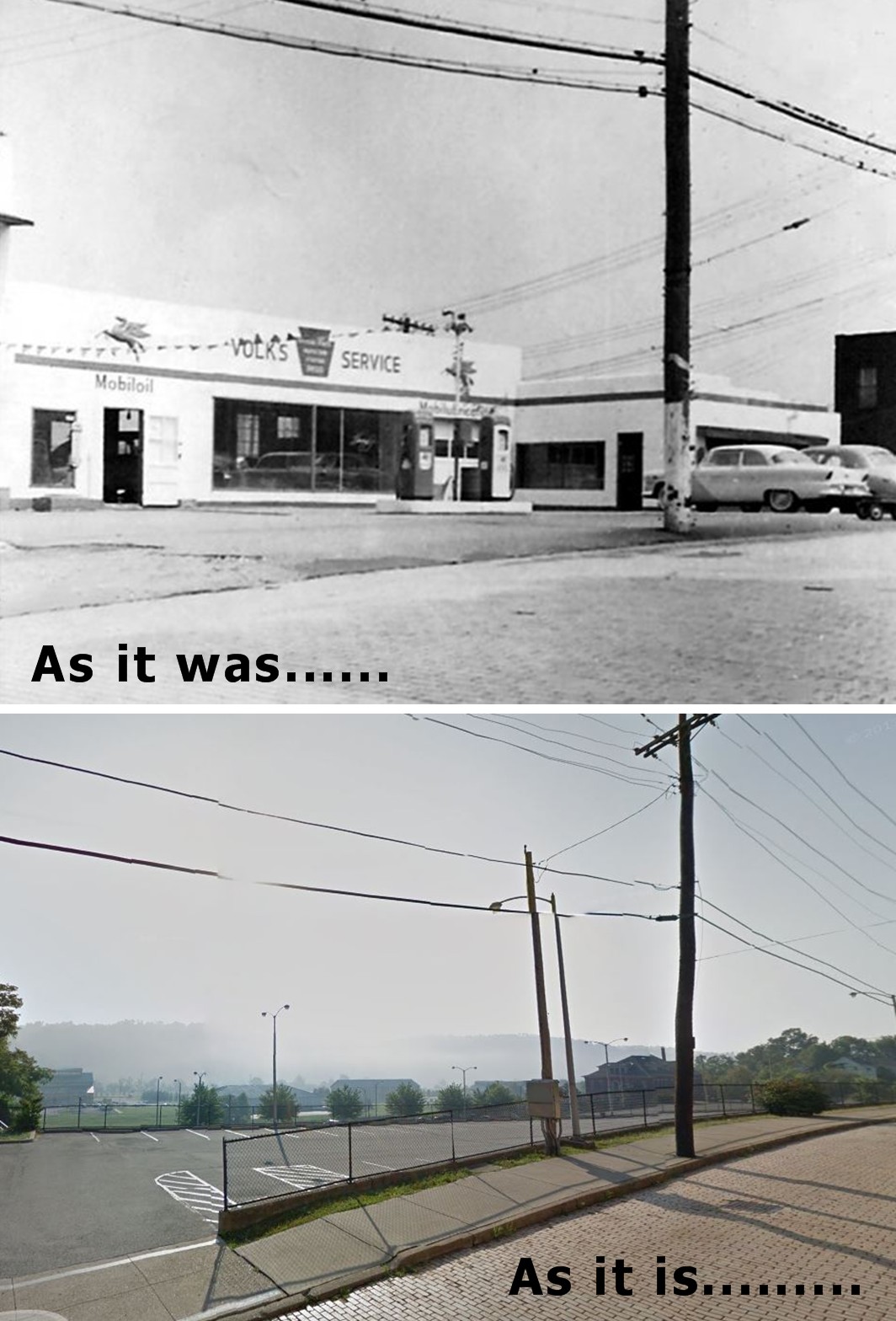
It was approximately 1966 or 67 when my dad was notified that government was garageexercising Eminent Domain, and taking his property and converting it into public use. In the truest sense, the lyrics from Joni Mitchell’s song from her Big Yellow Taxi album came to fruition; they paved my dad’s paradise and put up a parking lot! My father’s business was closed in order to build a parking area to serve as a parking lot for USS employees. Ironically, the lot that sat between S First Street and South Duquesne Blvd was rarely used by the steelworkers.

The news was devastating to Dad, and a punch to the gut that was hard to recover from. Dad never burdened us with his business issues, but I knew that he was shattered. You could see it in his face. Rather than retreat from the obstacles that he had to face, Dad met them head on. He secured the only job that he was able to find based on his experience, and went to work as an auto mechanic at the JCPenney Auto Center in the Eastland Shopping Plaza. Although he was the oldest member of the staff, he was given the opportunity to show his stuff and exceled as a mechanic; after all, it was what he had been doing his entire life. After a few years, he was promoted to Service Manager and remained in that position until he retired in 1981. As I reflect on his career at Penney’s, it is heartening to know that his experience and work ethic was viewed as an asset in the minds of upper management, in spite of his age.

Judging from the countless articles about the redevelopment, the intent was to revitalize and maintain a thriving town for all of the residents to enjoy. The program was NOT the brainchild of our city leaders, but rather a plan that was proposed by the Allegheny County Redevelopment Authority. I have discovered articles about the plans as far back as 1952, but it appears that the plan didn’t come to fruition until 1960 when the first wave of building demotions occurred on Tuesday, May 31, 1960. The first building chosen for demolition on that day was the Salopek Tailoring Shop at 33 N. Duquesne Avenue. The shop had closed many years earlier when it was forced out of business due to the Defense Plant Corporation’s acquisition of all properties below the tracks.

Redevelopment 

There are many theories among us about what happened to the Duquesne that we all loved as children. I now believe that it was not just one misfortune that caused the downfall of our hometown, but rather a series of flawed judgment calls that created a “perfect storm” that resulted in the city that exists today; Union and Management clashes, a failed redevelopment effort, the demolition of the Carnegie Library which was Duquesne’s cultural and architectural pride, and the onset of rapid and sweeping unemployment with the slow death of the mill. It is for all of those reasons that I will continue to write this blog and hopefully keep the spirit of our once great city alive. Thank you for reading and continuing to hang in there during my hiatus!


Posted in Uncategorized | 57 Comments

Cold Weather – Warm Memories – Past and Yet To Come

For many of us, the weather over the last two weeks has been a bit “brisk” to say the least. I would imagine that many of you have had to dig out of considerable snowfall amounts and/or battle inhumane, freezing temperatures.

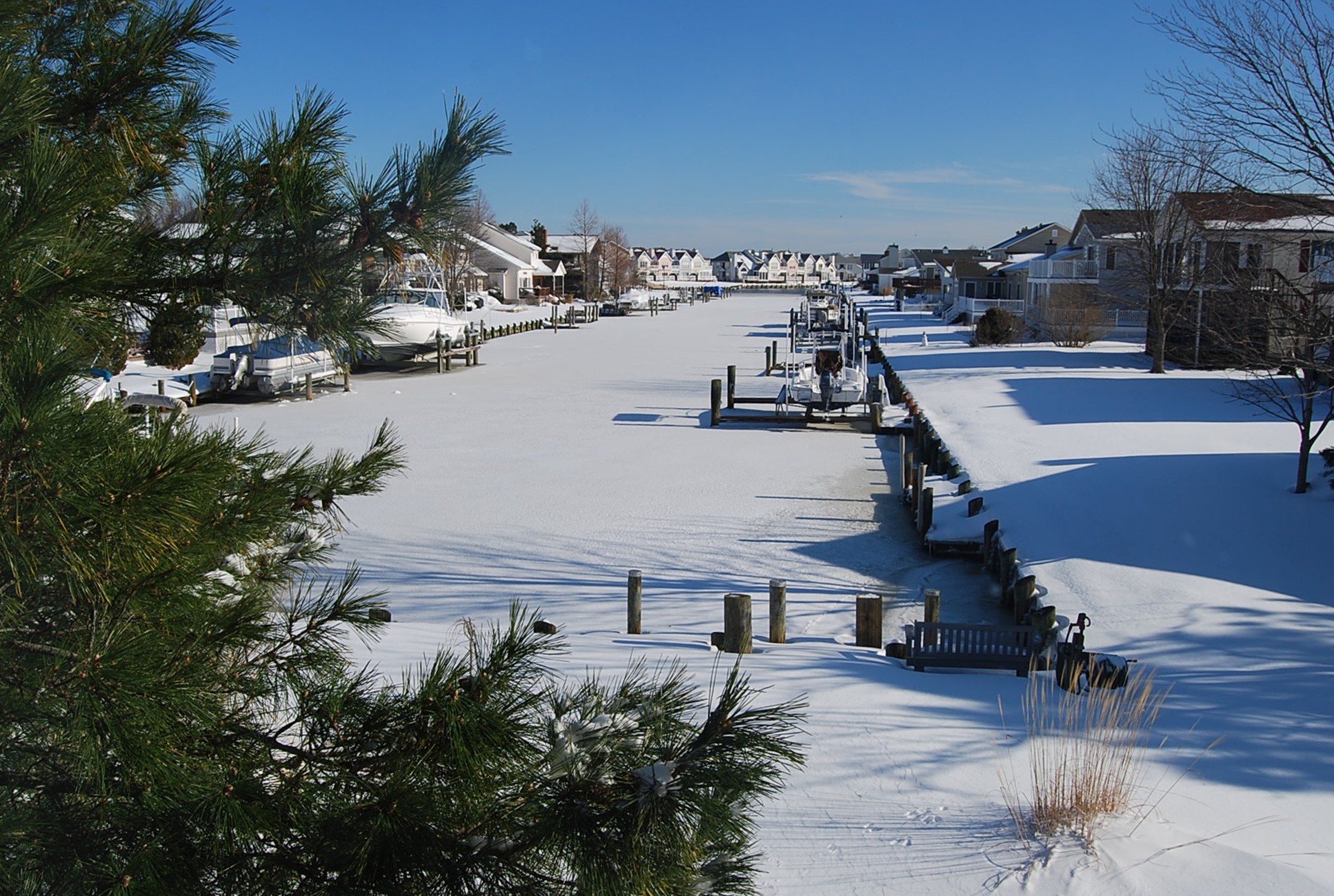
Quiet After the Storm 2-11-10

View of our frozen canal!!!!

It’s no different where I live. Here on the Eastern Shore, we have had to content with the same crazy weather. The temperature very early yesterday morning was -5°! That was WITHOUT the wind chill factor. If I just stayed in my house with the fire going and a hot cup of coffee, it wouldn’t have bothered me. However, as my luck would have it, that was the exact time that one of my dogs decided they needed to relieve themselves.

Bravely, I bundled myself up much like our mothers did when we were little. In lieu of the thermals I didn’t own, I kept on my flannel pajama bottoms and pulled my jeans over them. Next came a thick pair of socks that barely allowed me to pull my boots on. I pulled on a turtle neck and then focused on my outerwear. By this time, my poor dog’s eyes and legs were crossed as she looked at me pleadingly.

A few years ago, I attended a Halloween costume party and dressed as Ozzy Osborne. The costume included a very long black leather coat, down lined, that I found at Goodwill for $35.00. When the weather gets crazy cold, only in the dark of night or very early in the morning when everyone in the neighborhood is still sleeping, I’ll venture out of the house wearing that coat which is incredibly warm. I pulled on my Ozzy coat, my black ski mask, my faux fur aviator hat, complete with ear flaps and my insulated gloves and was at last ready to face the cold. I was happy and warm and my dogs were thoroughly relieved! So knowing that both of my daughters would be totally humiliated if they were present, I threw open the door and bravely tackled the skin numbing temperatures.

 I know we had similar days in Duquesne when we were young, but I don’t ever recall the temperature being so bone chilling! Perhaps it was because our bones were a lot younger back then and impervious to the frigid temperatures.

 This type of weather would have been perfect for creating “ice tracks” in Prune Alley, directly behind Holy Name Church, convent and school. Much to chagrin of the good sisters, the older boys at Holy Name were very adept at building awesome ice tracks that we would “foot ski” along on. We knew the very best incline was from about the middle of the back of the church down to start of the garage that sat behind the convent. Prime space! During freezing temperatures, we’d all toss handfuls of snow onto the track which would be packed down and ultimately ice up under the continuous slide of our shoes over its surface. We were masters of our craft. Quite honestly, I am surprised that ice track sliding never became an Olympic event!

 Well, it’s time to warm up a bit. Thanks to one of friends and readers, Eileen TOKAR Lilley, we have some very heartwarming memories and one potential event that would be so much fun. Eileen had sent me some wonderful family pictures to share with all of you, but the perfect opportunity had never risen to do so until now. Seeing them will certainly bring back some very warm memories of being a child in Duquesne and the backyard and neighborhood adventures we used to have. But first, I wanted to share a bit of current news that Eileen wanted to suggest. A few days ago, Eileen sent me the follow message and idea:


Jim,

I don’t know if you are planning a trip to Duquesne, but I thought what an idea to try to bring some of the “Duquesne Hunky bloggers” together at the tribute dance for TL. If you could include my previous e-mail in your blog to get the word out, that would be great. Maybe they could even set up a reserved table or 2 or 20 for us bloggers. What fun!

tl 1

 tl 3

I think it would be SO much fun for us to get together for this event. I certainly am going to try to make it back home for this tribute. I hope some of you are able to come as well. If you are interested, please drop me an email at duquesnehunky@gmail.com and let me know. I’ll keep you all updated on the interest level. Considering that on March 8 last year, the low temperature was 29°, it will be great to warm-up together while listening to the TL Sound once again. 

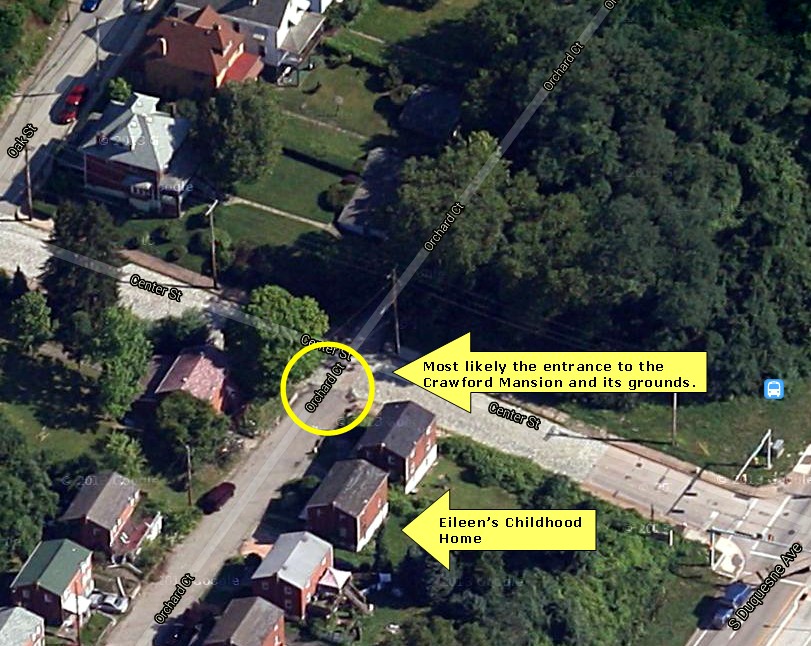
Now here’s a special treat for you. Eileen sent some wonderful photos to share with all of you. Fortunately, they were all taken when the weather was warm, bright and sunny, so they’ll instantly remind you of the warmer days to come. She also included captions for each of the pictures. If anyone else has pictures to share, I would love to be the vehicle to do so. You can scan and email them to me or send them to me and I promise to return them if you want me to. Your call. Now, grab a hot cup of coffee or any beverage of your choice and enjoy this little trip back to Duquesne. Location –Orchard Court – Off of Center Street!


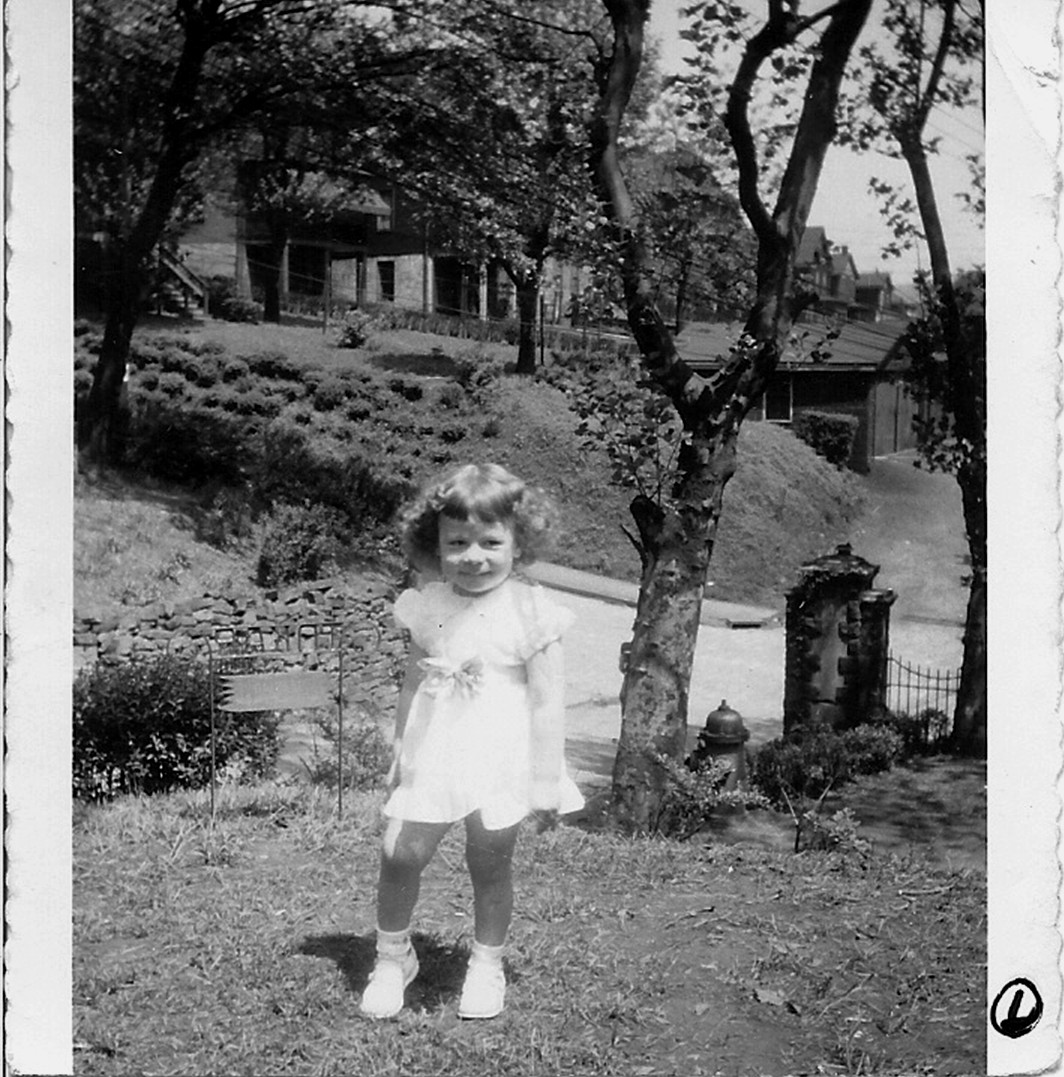
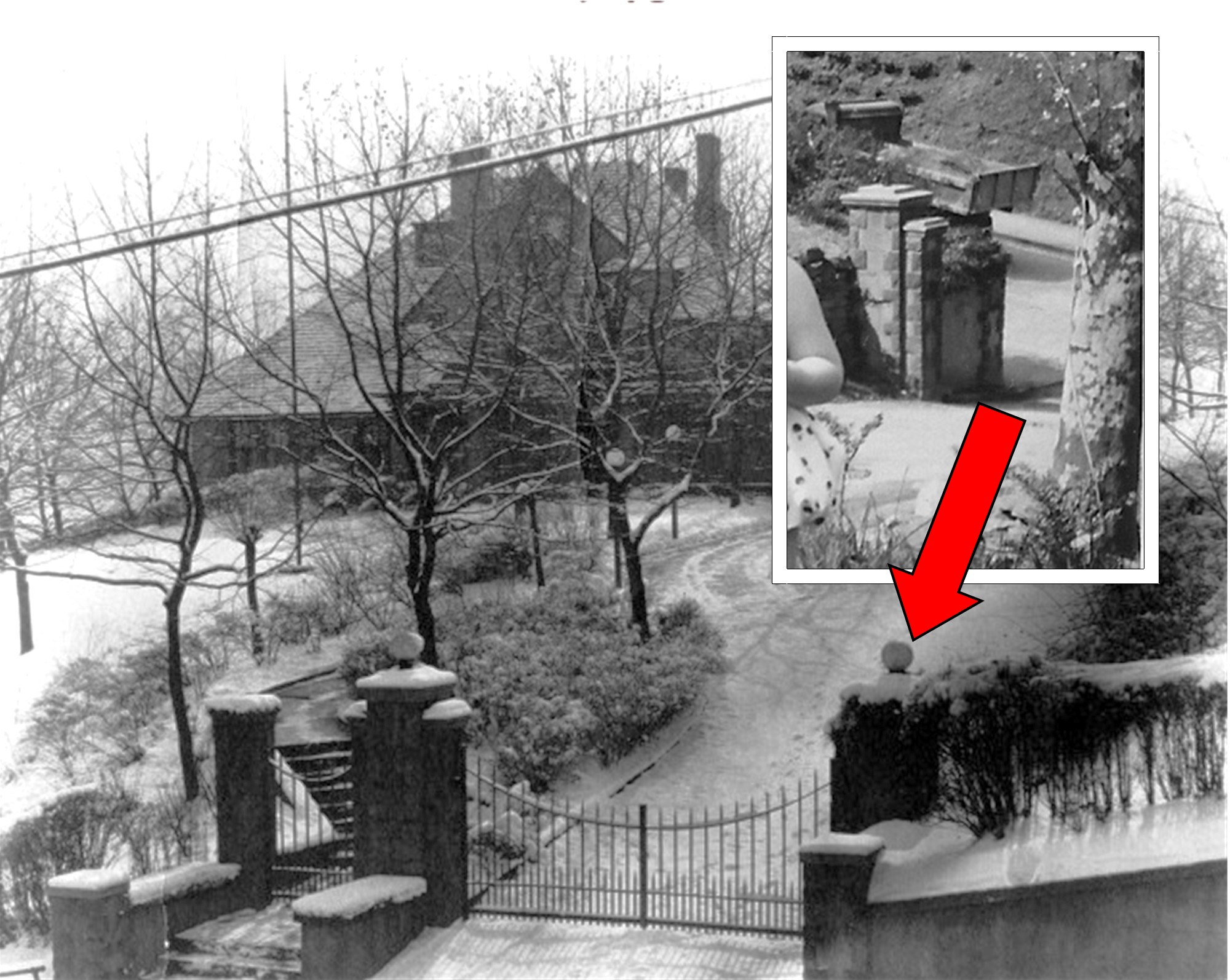
Compare this picture to the one you have of the Crawford Mansion and you’ll see the twist in the middle branch of the tree to my right is what’s exactly on the picture. There’s one of the stone columns with the gate which are gone now.

 1


Here’s the other stone column. Our house was the 2nd on the left on both this and the preceding picture. I’m standing on the far right of the front yard. There’s a hill behind me which slopes down to the front yard of the house next to ours. This picture was taken approx. 1952.

 2

(Note from Jim – I superimposed the column that Eileen is referring to onto the picture of the Crawford Mansion. I’m convinced that it was certainly part of Duquesne’s history! Good going Eileen! Take a look for yourself.)

Compare to Mansion

(Note from Jim: To gain the perspective of where the majority of Eileen’s photos were taken, I pulled up a Google map to illustrate:)

Orchard Ct

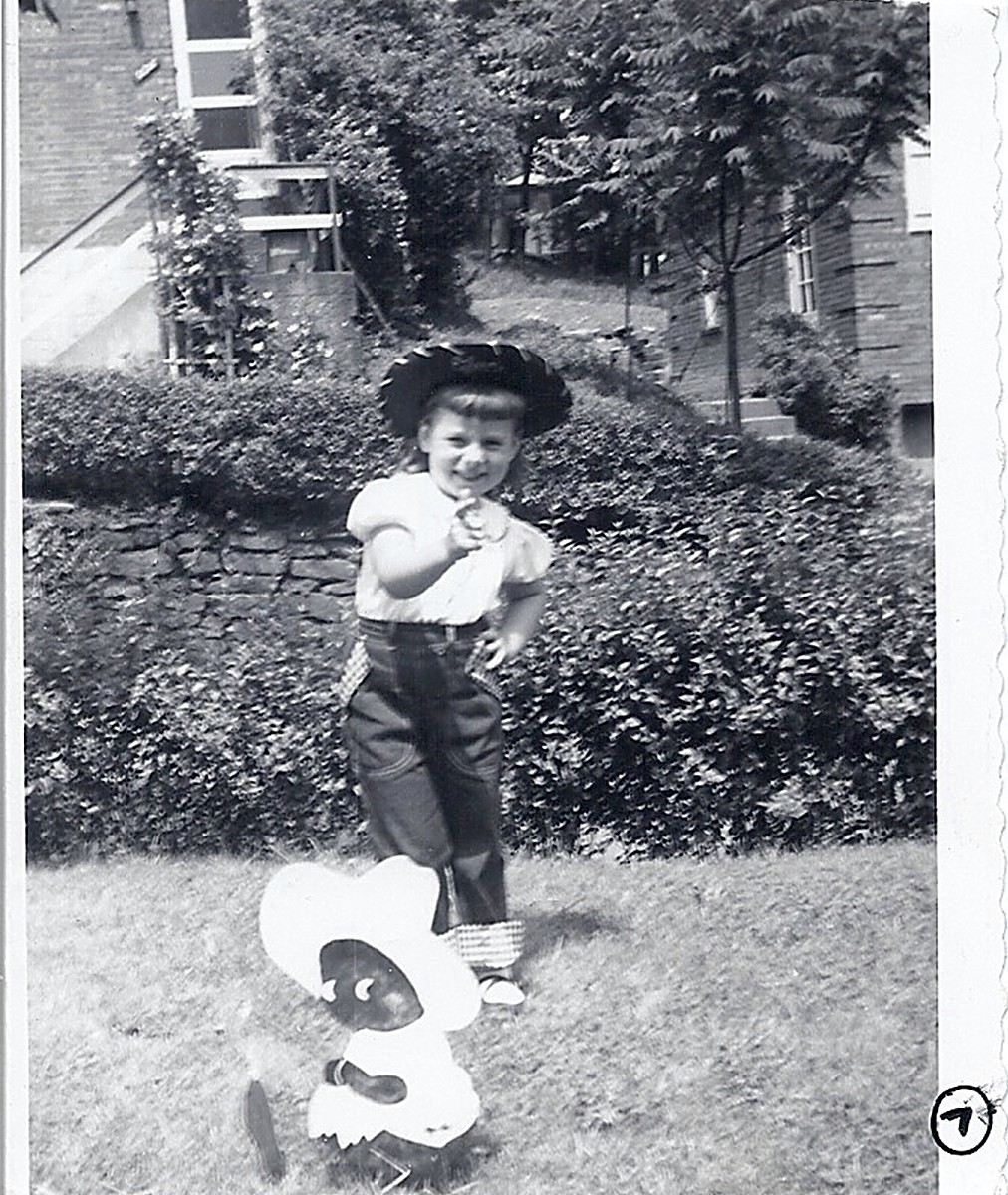
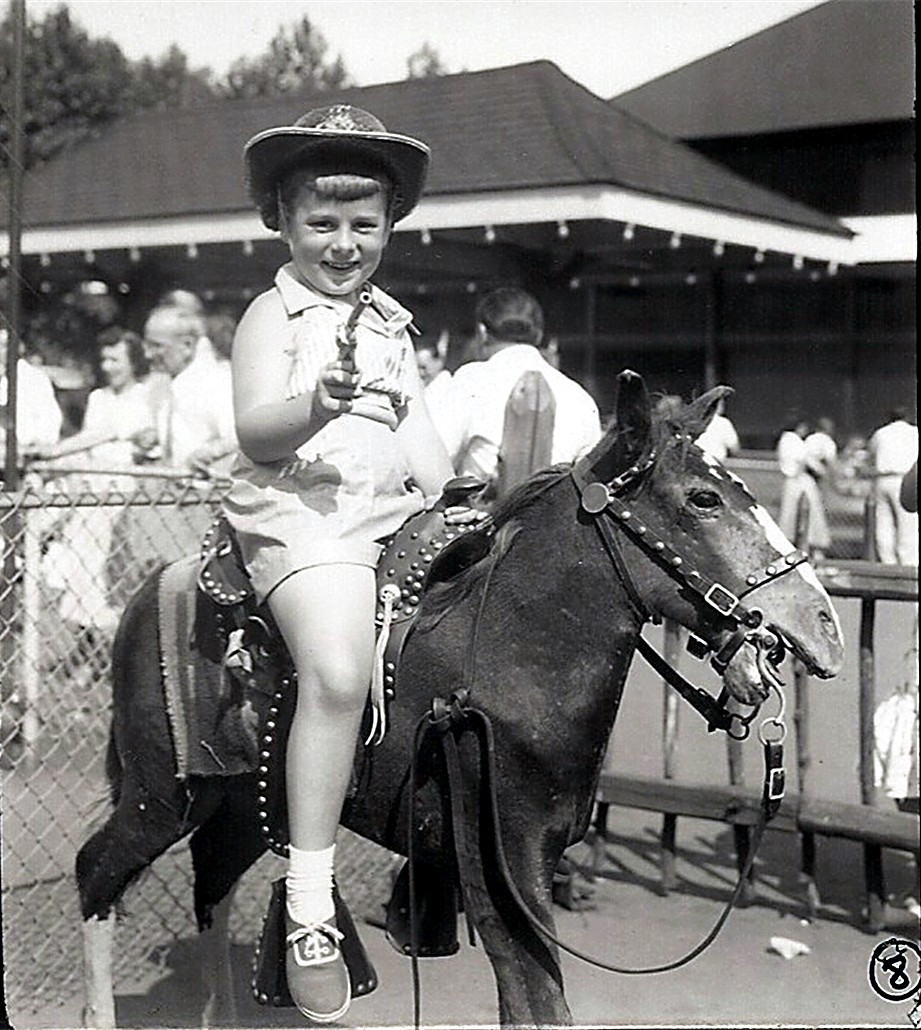
The next three pictures are called “Steeltown Cowgirl.” You can see the mill in the background of #6. #7 is me standing on the edge of the middle of my front yard with the street behind me and seeing the house across the street. I’m facing our house. The last picture was taken in Kennywood to the left as you first walked in to Kiddieland. (Note from Jim – The pony doesn’t seem to be too thrilled with his “profession! Also, notice the politically incorrect little guy in the front yard in the 2nd picture. Times were so much more innocent then. )

 6

7

8

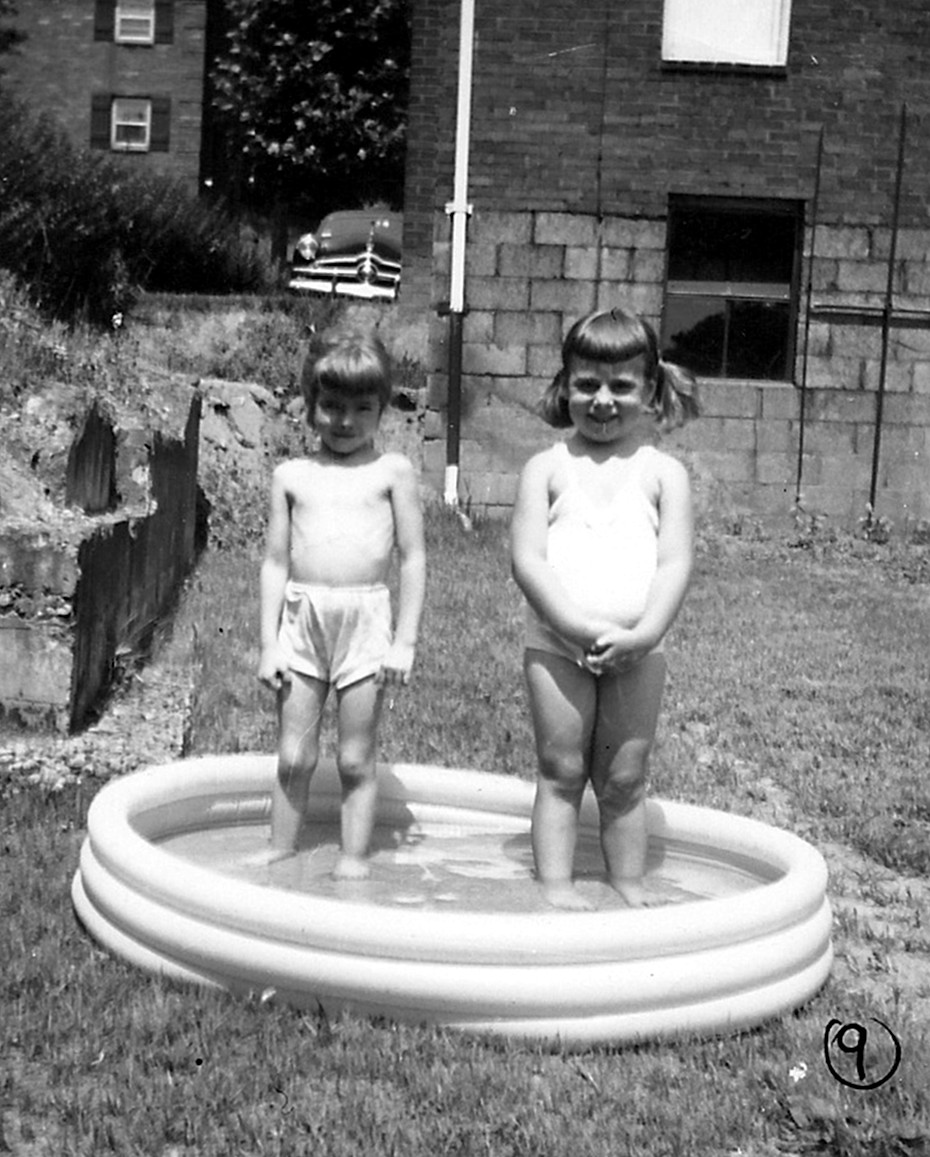
I’m on the right. The girl on the left lived in the first house on the opposite side of the street, but only for a short time. I don’t remember her name. (Does anyone know her?) AT the far left is a wall that stops before the swimming pool. Could it have possibly been part of the Crawford’s Mansion or grounds?

 9

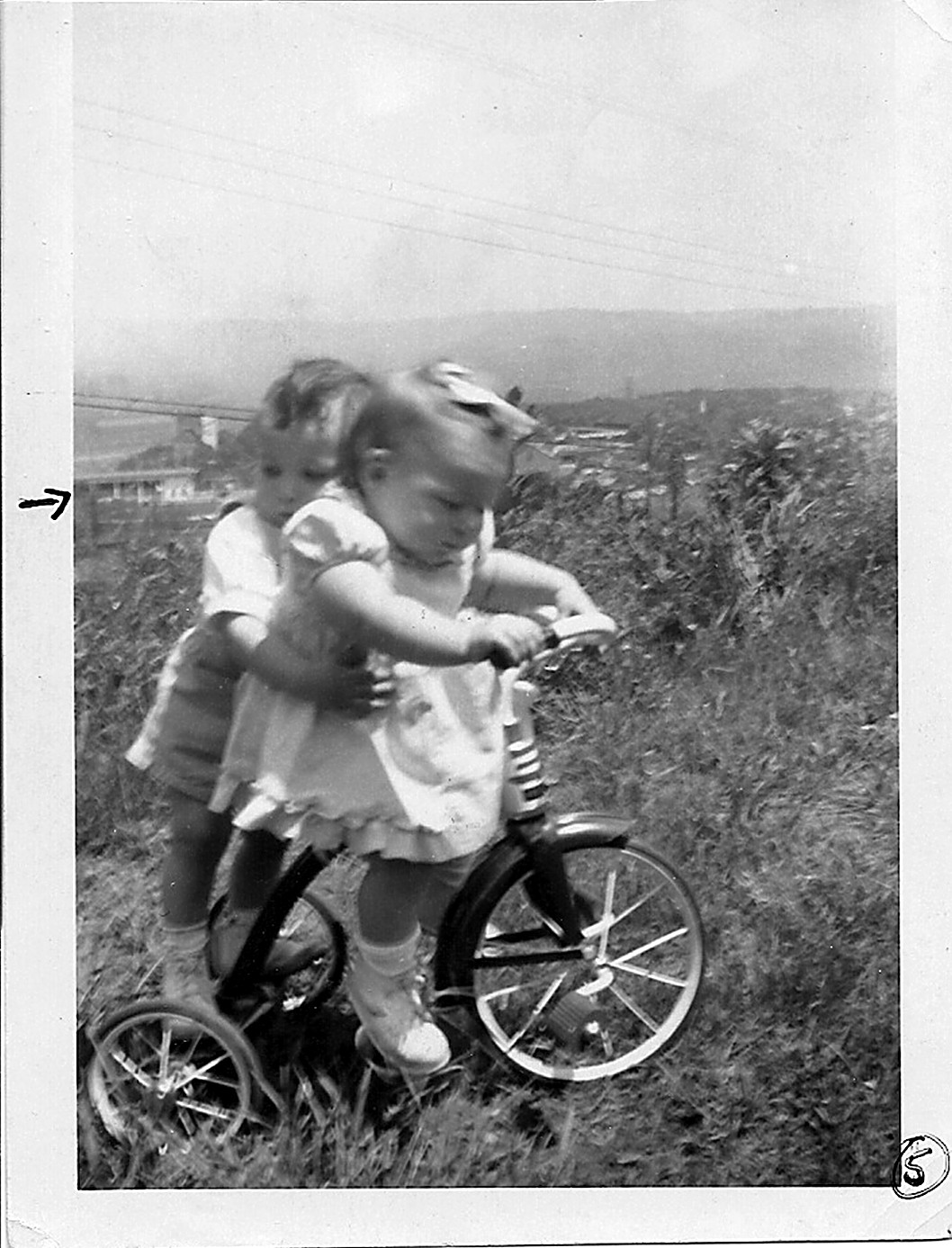
This caption should read “I hope someone is watching us or we are going to roll down the hill to Kennywood!” This was taken at my Grandma’s house in West Mifflin on Glencairn, the street going up the hill out of the old back gate off of the parking lot at Kennywood. You can see part of the bathouse of the Kennywood swimming pool in the background. Can you imagine the view we had of the fireworks? This taken in 1950.

 5

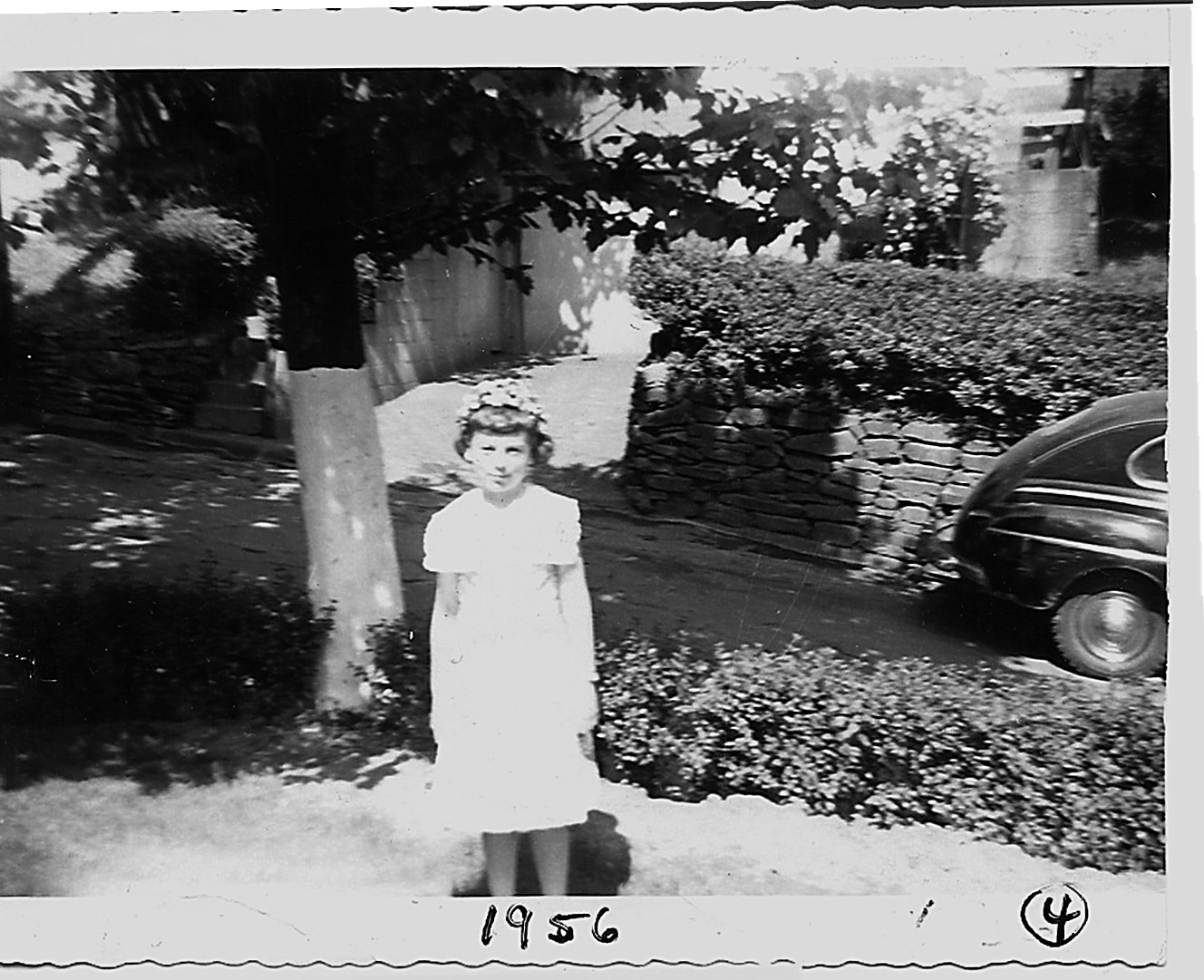
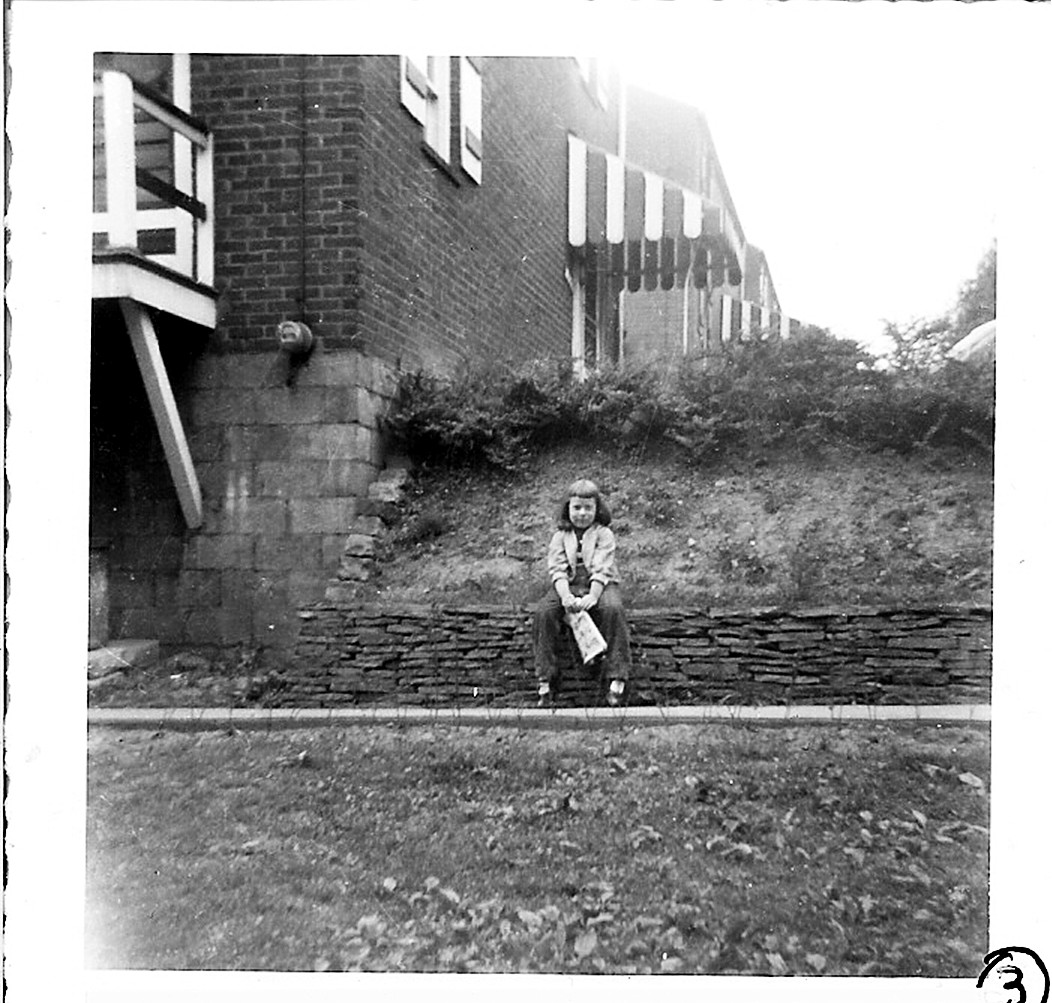
This is a photo of me standing in our front yard, ready for church. This was before the trees were cut down. My dad painted something on the tree to prevent disease, but their real killer was the utility company who had them all cut down.

4


For this picture, my dad was standing in our neighbor’s front yard to take it. Notice the wall is the same as the ones across the street and again, could have been part of the Crawford Mansion.

 3

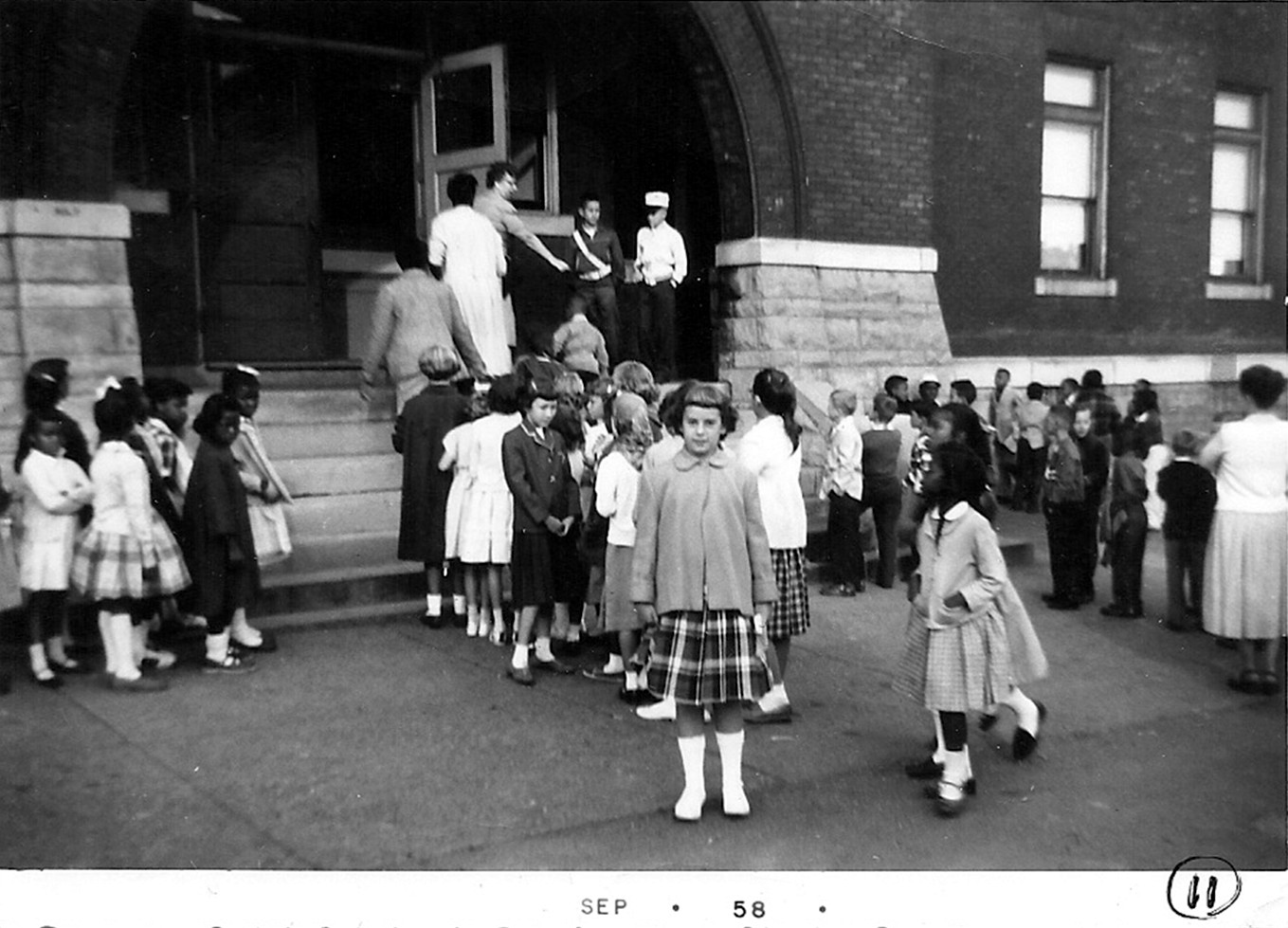
This is the first day of school as I began 4th grade in 1958 at Crawford Elementary. Mrs. McGowan is holding the door. Notice the segregation ? White girls in the middle, white boys to the far right, black girls to the far left and finally, black boys to the far right. That’s Vincent Kollar next to Mrs. McGowan.

 11

 I hope you all enjoyed these photos as much as I did. Eileen’s surroundings evoked so many memories. THANK YOU, THANK YOU, THANK YOU EILEEN!!!! I hope you will consider sharing some of your own photos as well.

Don’t forget to think about the TL Tribute Dance in March!!

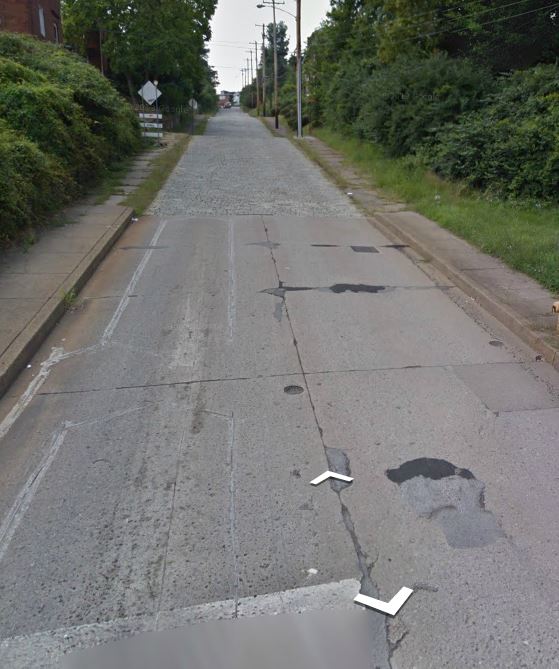
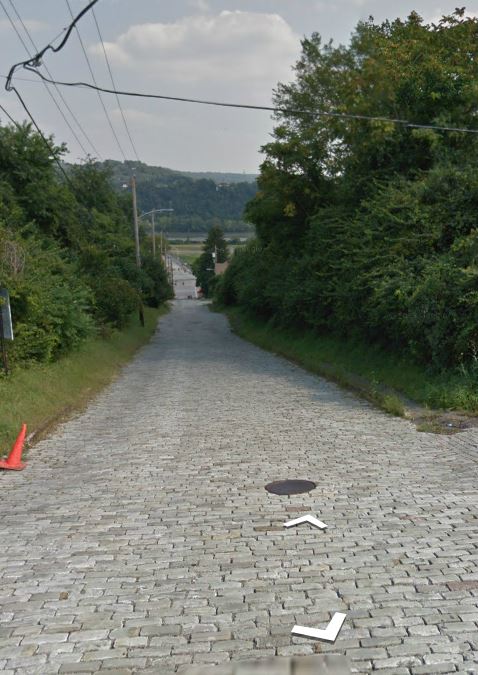
I thought I’d close this post with two screen shots of Center Street as it is today. Still as awesome as it was when we were kids.

Center Street View 1

 Center Street View 2


Posted in Uncategorized | 29 Comments

Them’s Fightin’ Words!!

OpinionsIn my last post, I mentioned how I constantly get spam comments and how I filter out all of the garbage so it doesn’t hit our blog. However, I occasionally get comments or emails that intrigue me. One such email came to me and my curiosity was peaked due to vagueness of the content. I am purposely not including the author’s name or website information, as to not incite a debate with them beyond what has already occurred.

Let me begin………………………….

In an email dated January 2, 2014, I received the following statement:

Hi!

While your weblog is both lovely and interesting, I can’t help but wonder why you claim to be “Hunky” if you are Slovak and Croatian….

Sincerely,

XXXXXXXXXX

I was curious about the statement and being stubborn, I just couldn’t let it drop without further inquiry. I responded with the following on January 2, 2014 in reply:

Dear XXXXXX,

I don’t quite understand your email, so I’m not really able to respond.

Jim

I felt it was a fair reply. Non-confrontational, but clearly stating my confusion about the statement. I really didn’t expect a response and I thought the matter was over. Lo and behold, the very next day brought a reply and a clarification of the previous statement’s intent. The email contained the following statement:

Someone posted a link to your weblog “The Duquesne Hunky” in Delphi Forums. I looked through it, in fact, bookmarked it.

“Hunky” nationally usually means Hungarian or Magyar, not Slovak or Croatian. The customs are somewhat similar and all are often tinged with Austrian, but the languages and historically the people are different. That’s why the latter voted themselves independent after the first world war.

Although many Slovak and Croatian people have been able to speak Hungarian — in later imperial years Hungary administered half of the empire homeland — and even have Hungarian blood lines, Hungary wasn’t exactly beloved.

I just found it strange that someone rather clearly not Magyar would rather generally claim be so in this day and age. Slovak is a Slavic (Indo-European) language like Polish or Russian. Hungarian or Magyar is Ural-Altaic (one of just four such languages in all of Europe). It was invasion from the east.

Sincerely,

XXXXXXXXXXXX

Now, I have often been accused of being overly sensitive. I accept that as one of my faults. However, I became rather offended about being accused of incorrectly calling myself a hunky after 62 years of existence. How could anyone be so naive as to not recognize people of Slovak, Croatian and other Slavic heritages as hunkies!! I took a bit of time and composed myself. I only wish I had some cabbage rolls to eat to remind me of my roots and gain inspiration before responding, however that was not in the cards. Instead, I settled for some holiday ham, a hard-boiled egg and some frozen perogies as motivation. I finished my meal and proceeded to respond as follows:

Dear XXXXXXXX,

Thank you so much for helping me to understand how you view the historical etymology of the term “Hunky.”

My blog is intended as homage to my hometown and the era that I grew up in. My hometown, Duquesne, was a typical industrial town located in western Pennsylvania. The vast majority of the male residents were employed by USS (United States Steel,) and were of East-Central European descent. USS had a major facility in Duquesne called The Duquesne Works. You can read more about The Duquesne Works at this site: The Duquesne Works.

I explored the web a bit about the term Hunky and found the following on Wikipedia (not that Wikipedia is the definitive source for etymology):

“It originated in the coal regions of Pennsylvania and West Virginia, where Poles and other immigrants from East-Central Europe (Hungarians (Magyar), Rusyns, Slovaks) came to perform hard manual labor on the mines. They were called hunkies by the American public which lumped them together into a category of Slavic immigrants, irrespective of their individual ethnic background. The use of the term as an ethnic slur has fallen into disuse, but the term hunky and the public image associated with it has historic relevance in the perception of Slavic immigrants in the United States. There is some usage of the term in other forms; for example, it is used to describe any mill worker in regions of Pennsylvania. The term would be Mill Hunky.

The term Hunky or Bohunk can be applied to various Slavic and Hungarian immigrants who moved to America from the Austro-Hungarian Empire. The immigrants came en masse prior to the turn of the twentieth century (starting around 1880) seeking opportunity and religious freedom.”

“The overwhelming majority of these economic immigrants (initially 85%, later 65%) consisted of young working age men. Originally they planned to spend only a few years in America, and then return to Hungary with enough capital to transform themselves into independent farmers or self-employed artisans. This was precisely the reason why, instead of moving into agriculture in line with their traditions, they went to work in the coal mines and steel mills. Only in heavy industry did they have a chance to collect enough money to be able to fulfill their goals back in the Old Country.” – Wikipedia

Although I am certain that when the city was originally settled by the immigrants, their cultural and political differences were an issue as evidenced by the nationality based churches that were established. However, by the time that first generation Americans, our parents, were working at the Duquesne Works, the name Hunky had come to mean ANYONE of East-Central European descent, regardless of their parent’s original country or region of origin.

When I decided to write my blog, I had come to think of the term Hunkies as a word that was synonymous for all the citizens of Duquesne who embraced and demonstrated the strength, unity, love of family and formidable moral fiber, that WAS our parents. Coupled with this awe-inspired respect for its people, my blog is intended as a tribute and to serve as a recollection of the environment of friendship and the actual bricks and mortar of our city.

With all of that said, I hope you read through some of my posts. Take them for what they are intended, a loving heart-felt tribute to the town I grew up in and to the very people that provided my moral basis.

Keep well and Happy New Year!

Jim

I thought to myself after sending my reply, that I had clearly stated my point-of-view without being offensive. I had provided historical information to substantiate just WHY we all call ourselves hunkies. I felt that I had been victorious in defending my heritage and had set the story straight. But alas, I was wrong. On January 7th, the gauntlet was thrown down with the following:

Hi, again!

I’m sure you were well-intentioned with your weblog, just missing a little background information.

I wrote because someone actually mostly Hungarian (like me) looking for information is mislead. I did look at (partly skimming) the first of your work and saw nothing I would call Hungarian. …But, of course I don’t know everything.

……… Personally speaking, if it were me, I would alter your title to read something like “The Duquesne Mill Hunky” and stick a few words of explanation somewhere. No regular reader would particularly notice the difference.

Good luck to you in the new year.

Sincerely,

XXXXXXXXXXX

I have stewed for a while now, debating whether I should respond to this “person” or just angry-babylet it go. I decided to take the high road and not stir the haluski any further. Instead, I decided to seek affirmation and comfort among all of you, my circle of friends! Whether our ancestors were Polish, Bulgarian, Hungarian, Slovakian, Croatian, Serbian, or of another  heritage, we ALL are Duquesne. We come together to remember, reconnect and rekindle friendships. It has been over three years that we’ve shared stories, thoughts and recollections. That’s what makes this blog, “The Duquesne Hunky,” appropriate and correct! I know we’ve got each other’s back!

Posted in Duquesne History, Miscellaneous, My Hunky Family, Surveys and Opinions | 84 Comments

Duquesne – FIT FOR A KING!!

DUQUESNE – FIT FOR A KING! 

We have all come to realize that our beloved hometown, Duquesne, has fallen into a serious state of disorder and ruin. The Duquesne that existed when we were being raised in the city is a mere shadow or skeleton of what it was. 

The population of Duquesne has dwindled to a mere 5,565 citizens according to the 2010 census. History indicated that Duquesne was very much a boomtown however in the early 20th century. The population, according to the 1920 US Census was just over 19,000 people, just shy of a 21% increase from the 1910 census. Again, the population grew during the 1920’s by another 12.5% from 1921 to 1930 to 21,396 citizens! The numbers areFit for a King staggering but not surprising. 

Just after Christmas, I received an email from the great grand-daughter of a former Duquesne resident. As you will read, one thing led to another, and I discovered a piece of Duquesne history that I was totally unaware of. I hope that you enjoy reading about this piece of Duquesne history.


12/28/2013 

I have an old photo taken outside the Duquesne Mill at the turn of the century and I would love your help finding out who the VIPs in the picture are. My great grandfather, who was an orderly in the hospital, is in the picture, so it is a family heirloom, but the story has been lost. Some say it might be the King of Belgium. May I email it to you with more detail? Perhaps you can refer me to some historians or archivists. 

Thanks!

Krista Ruhe

Albert at Mill

12/29/2014 

Attached is the picture. My great grandfather, John Wargo, an immigrant from Hungary, is the young man in white standing in the doorway. He worked as an orderly in the mill infirmary after he lost his leg in an accident while on the job. He built a house on First Street just a few blocks from the mill. 

I circulated the picture to my uncle and mom’s first cousins. I have pasted below their theories about the picture. It is so easy to lose old stories! 

At the foot of the photo it says Carnegie Steel. From what I have read Carnegie sold to US Steel in 1901 so this photo must pre-date the sale. 

Response 1:

Very vaguely I remember a story Uncle Jim told me on a visit to Mich. several years ago. Apparently the King of Belgium was touring the Duquesne Mill (which King and when I do not know). This may be a picture from that occasion. 

The King had a limp and when he got to the mill infirmary ( a stop on the tour – Dr. Botkin was doctor and probably is in the picture), Grand pap asked one of the King’s aides about the limp. He was told that the King had an infection that the Belgium doctors were having problems healing. Grand pap was granted permission, and treated the wound with some “black salve “ of his own making. The King returned home shortly thereafter and in a few days the infection was healed. Apparently the King sent a letter and possible a medal that was presented to Grand pap. I believe I saw a picture of that presentation. If these relics still exist (or ever did), Jim would most likely have had them. Anyway, it makes a good story.

Bob 

Response 2:

Believe the central figure may be George Farris a contemporary of Andrew Carnegie

I decided to share these emails, the photograph and all of the stories connected to it with all of you. I do so as a way of expressing pride in our hometown. The fact that Duquesne hosted true royalty on two different occasions speaks to the vibrancy it once possessed.

The Wargo family’s heirloom photograph is indeed an image of the October 23, 1919 visit

The King and Queen with the Gov. Stephens of California

The King and Queen with the Governer of California

to Duquesne by KING ALBERT I, King of Belgium and QUEEN ELISABETH OF BAVARIA, his wife.  From September 23 through November 13, 1919, King Albert, Queen Elisabeth of Bavaria, and their son Prince Leopold took an official visit to the United States. During their 51 day tour of the United States, the Royal Family traveled coast to coast touring major manufacturing facilities and points-of-interest throughout the county.

The news of the royal visit was covered in The Duquesne Times, and the articles provide a thorough understanding of the historic event. I hope you find the articles as interesting as I did.

 1919 King Albert Visit

Another article that appeared the same day as the one above explains the chance encounter of King Albert I and Duquesne’s own Robert Walker. I wonder if his desire to visit Duquesne was to be able to once again see the young man who helped him during World War I?

They Met Before - King

Also appearing in The Duquesne Times was a recap of the visit of then Prince Leopold prior to becoming King Albert I of Belgium.

1898 King Albert Visit

It was obvious that the King and Queen’s visit caused a frenzy of excitement in Duquesne based on the number of articles written about the event. One week after the visit, the following article appeared in The Times and provided further insight into the day of the visit.

Week After Visit

Inserted below is additional information about the King and Queen. I found it to be interesting reading, so I encourage you to check it out. What a source of pride I’ll now feel about the importance of “Little Ol’ Duquesne.”


 KING ALBERT I OF BELGIUM – Wikipedia

Albert I (April 8, 1875 – February 17, 1934) reigned as King of the Belgians from 1909 to 1934. This was an eventful period in the History of Belgium since it included the period of World War I (1914 – 1918), when 99 percent of Belgium was overrun, occupied, and ruled by the German Empire. Other crucial issues included the adoption of the Treaty of Versailles, the ruling of the Belgian Congo as an overseas possession of the Kingdom of Belgium along with the League of Nations mandate of Ruanda-Urundi, the reconstruction of Belgium following the war, and the first five years of the Great Depression (1929 – 1934). King Albert was killed in a mountaineering accident in eastern Belgium in 1934, at the age of 58, and he was succeeded by his son Leopold.

Born Albert Léopold Clément Marie Meinrad (in German Albrecht Leopold Clemens Marie Meinrad) in Brussels, he was the fifth child and second son of Prince Philippe, Count of Flanders, and his wife, Princess Marie of Hohenzollern-Sigmaringen. Prince Philippe was the third (second surviving) son of Leopold I, the first King of the Belgians, and his wife, Marie-Louise of France, and the younger brother of King Leopold II of Belgium. Princess Marie was a relative of Kaiser Wilhelm II of Germany, and a member of the non-reigning, Catholic branch of the Hohenzollern family. Albert grew up in the Palace of Flanders, initially as fourth in the line of succession to the Belgian throne. When, however, the only legitimate son of his uncle, Leopold II, died as a child, and Albert’s older brother, Prince Baudouin of Belgium, who had been subsequently prepared for the throne, also died young, Albert, at the age of 16, unexpectedly became second in line (after his father) to the Belgian Crown.

Retiring and studious, Albert prepared himself strenuously for the task of kingship. In his youth, Albert was seriously concerned with the situation of the working classes in Belgium, and personally travelled around working class districts incognito, to observe the living conditions of the people.[1] Shortly before his accession to the throne in 1909, Albert undertook an extensive tour of the Belgian Congo, which had been annexed by Belgium in 1908 (after having been previously owned by King Leopold II of Belgium as his personal property), finding the area in poor condition. Upon his return to Belgium, he recommended reforms to protect the native population and to further technological progress in the colony.[2]

He was the 1,152nd Knight of the Order of the Golden Fleece in Austria and the 851st Knight of the Order of the Garter in 1914.

Marriage

Albert was married in Munich on 2 October 1900 to Duchess Elisabeth Gabrielle Valérie Marie in Bavaria, a Wittelsbach princess whom he had met at a family funeral. A daughter of Karl-Theodor, Duke in Bavaria, and his wife, the Infanta Maria Josepha of Portugal, she was born at Possenhofen Castle, Bavaria, Germany, on 25 July 1876, and died on 23 November 1965. Based on the letters written during their engagement and marriage (cited extensively in the memoirs of their daughter, Marie-José) the young couple appear to have been deeply in love. The letters express a deep mutual affection based on a rare affinity of spirit.[3] They also make clear that Albert and Elisabeth continually supported and encouraged each other in their challenging and difficult roles as king and queen. The spouses shared an intense commitment to their country and family and a keen interest in human progress of all kinds. Together, they cultivated the friendship of prominent scientists, artists, mathematicians, musicians, and philosophers, turning their court at Laeken into a kind of cultural salon.[3][4]

Children

Albert and Elisabeth had three children:

• Léopold Philippe Charles Albert Meinrad Hubertus Marie Miguel, Duke of Brabant, Prince of Belgium, who became later the fourth king of the Belgians as Leopold III (born 3 November 1901, and died at Woluwe-Saint-Lambert on 25 September 1983).

• Charles-Théodore Henri Antoine Meinrad, Count of Flanders, Prince of Belgium, Regent of Belgium (born Brussels 10 October 1903, and died at Ostend on 1 June 1983).

• Marie-José Charlotte Sophie Amélie Henriette Gabrielle, Princess of Belgium (born Ostend 4 August 1906 – 27 January 2001). She was married at Rome, Italy on 8 January 1930 to Prince Umberto Nicola Tommaso Giovanni Maria, Prince of Piemonte (born 15 September 1904 and died on 18 March 1983 at Geneva, Switzerland). He became King Umberto II of Italy.

Accession

Following the death of his uncle, Leopold II, Albert succeeded to the Belgian throne in December 1909, since Albert’s own father had already died in 1905. Previous Belgian kings had taken the royal accession oath only in French; Albert innovated by taking it in Dutch as well.[1] He and his wife, Queen Elisabeth, were popular in Belgium due to their simple, unassuming lifestyle and their harmonious family life, which stood in marked contrast to the aloof, autocratic manner and the irregular private life of Leopold II. An important aspect of the early years of Albert’s reign was his institution of many reforms in the administration of the Belgian Congo, Belgium’s only colonial possession.[5]

Religion

King Albert was a devout Catholic.[3][6][7] Many stories illustrate his deep and tender piety. For instance, when his former tutor General De Grunne, in his old age, entered the Benedictine monastery of Maredsous in Belgium, King Albert wrote a letter to him in which he spoke of the joy of giving oneself to God.[6] He said: “May you spend many years at Maredsous in the supreme comfort of soul that is given, to natures touched by grace, by faith in God’s infinite power and confidence in His goodness”.[7] To another friend, a Chinese diplomat, who became a Catholic monk, Albert wrote: “Consecrating oneself wholly to the service of Our Lord gives, to those touched by grace, the peace of soul which is the supreme happiness here below”.[7] Albert used to tell his children: “As you nourish your body, so you should nourish your soul.”[3] In an interesting meditation on what he viewed as the harm which would result if Christian ideals were abandoned in Belgium, he said: “Every time society has distanced itself from the Gospel, which preached humility, fraternity, and peace, the people have been unhappy, because the pagan civilization of ancient Rome, which they wanted to replace it with, is based only on pride and the abuse of force” (Commemorative speech for the war dead of the Battle of the Yser, given by Dom Marie-Albert, Abbot of Orval Abbey, Belgium, in 1936 ).

World War I

AlbertJust before World War I, Albert complied with a British demand that he not acquiesce to a German request to move troops through Belgium in order to attack Britain’s ally,[citation needed] France, which Germany anticipated was about to declare war on Germany in support of Russia; Britain was one of several European Great Powers guaranteeing Belgian neutrality under an 1839 treaty. King Albert refused passage of the Kaiser’s, his uncle’s, soldiers through his nation. When Germany subsequently invaded Belgium, King Albert, as prescribed by the Belgian constitution, took personal command of the Belgian army, and held the Germans off long enough for Britain and France to prepare for the Battle of the Marne (6–9 September 1914). He led his army through the Siege of Antwerp and the Battle of the Yser, when the Belgian army was driven back to a last, tiny strip of Belgian territory, near the North Sea. Here the Belgians, in collaboration with the armies of the Triple Entente, took up a war of position, in the trenches behind the River Yser, remaining there for the next four years. During this period, King Albert fought with his troops and shared their dangers, while his wife, Queen Elisabeth, worked as a nurse at the front. During his time on the front, rumors spread on both sides of the lines that the German soldiers never fired upon him out of respect for him being the highest ranked commander in harms way, while others feared risking punishment by the Kaiser himself. The King also allowed his 14-year-old son, Prince Leopold, to enlist in the Belgian army as a private and fight in the ranks.[2][5]

The war inflicted great suffering on Belgium, which was subjected to a harsh German occupation. The King, fearing the destructive results of the war for Belgium and Europe and appalled by the huge casualty rates, worked through secret diplomatic channels for a negotiated peace between Germany and the Entente based on the “no victors, no vanquished” concept. He considered that such a resolution to the conflict would best protect the interests of Belgium and the future peace and stability of Europe. Since, however, neither Germany nor the Entente were favorable to the idea, tending, instead to seek total victory, Albert’s attempts to further a negotiated peace were unsuccessful. At the end of the war, as commander of the Army Group Flanders, consisting of Belgian, British and French divisions, Albert led the final offensive of the war that liberated occupied Belgium. King Albert, Queen Elisabeth, and their children then re-entered Brussels to a hero’s welcome.

Post-War years

Upon his return to Brussels, King Albert made a speech in which he outlined the reforms he desired to see implemented in Belgium, including universal suffrage and the establishment of a Flemish University in Ghent.

Postwar trip to the United States

From September 23 through November 13, 1919, King Albert, Queen Elisabeth of Bavaria, and their son Prince Leopold took an official visit to the United States. During a visit of the historic Indian pueblo of Isleta Pueblo, New Mexico, King Albert decorated father Anton Docher with the Order of Léopold.[8] Docher offered the King a turquoise cross mounted in silver made by the Tiwas Indians.[9][10] Ten thousand people traveled to Isleta for this occasion.

Introduction of universal suffrage

In 1918, King Albert forged a post-war “Government of National Union” made up of members of the three main parties in Belgium, the Catholics, the Liberals, and the Socialists.[1][5] Albert I remembered the Belgian general strike of 1913, and the promise following that of a Constitutional reform for an actual one man, one vote universal suffrage.

On April 18, 1893, at the end of the Belgian general strike of 1893, universal suffrage, approved by the Belgian Parliament, gave plural votes to individuals based on their wealth, education, and age, but this was clearly not a universal suffrage.[11]

The King Albert attempted to mediate between the parties in favor of universal suffrage, or those opposed to it, in order to bring about one man one vote universal suffrage. King Albert succeeded in this.[12] Some people have named this the “conspiracy of Loppem” because the one man, one vote suffrage was effected without changing the Constitution of Belgium.

Paris Peace Conference

The Belgian government sent the King to the Paris Peace Conference in April 1919, where he met with the leaders of France, Britain and the United States. He had four strategic goals: 1 to restore and expand the Belgian economy using cash reparations from Germany; 2 to assure Belgium’s security by the creation of a new buffer state on the left bank of the Rhine; 3 to revise the obsolete treaty of 1839; 4 to promote a ‘rapprochement’ between Belgium and the Grand duchy of Luxemburg. He strongly advised against a harsh, punitive treaty against Germany that would eventually provoke German revenge.[13] He also considered that the dethronement of the princes of Central Europe and, in particular, the dissolution of the Habsburg Empire would constitute a serious menace to peace and stability on the continent.[6] The Allies considered Belgium to be the chief victim of the war, and it aroused enormous popular sympathy, but the King’s advice played a small role in Paris.[14]

Albert spent much of the remainder of his reign assisting in the post-war reconstruction of Belgium.

Albert was a committed conservationist and in 1925, influenced by the ideas of Carl E. Akeley, he founded Africa’s first national park, now known as Virunga National Park, in what is now Democratic Republic of Congo. During this period he was also the first European monarch to visit the United States.[15]

Death

A passionate alpinist, King Albert I died in a mountaineering accident while climbing alone on the Roche du Vieux Bon Dieu at Marche-les-Dames, in the Ardennes region of Belgium near Namur. His death shocked the world and he was deeply mourned, both in Belgium and abroad. Because King Albert was an expert climber, some questioned the official version of his death. Nonetheless, rumors of murder have been dismissed by most historians. There are two possible explanations for his death: the first was he leaned against a boulder at the top of the mountain which became dislodged; or two, the pinnacle to which his rope was belayed had broken, causing him to fall about sixty feet.[16] King Albert is interred in the Royal Crypt at the Church of Our Lady of Laeken in Brussels.

In 1935, prominent Belgian author Emile Cammaerts published a widely acclaimed biography of King Albert I, titled “Albert of Belgium: Defender of Right.” In 1993, a close climbing companion of the King, Walter Amstutz, founded the King Albert I Memorial Foundation, an association based in Switzerland and dedicated to honoring distinguished individuals in the mountaineering world.

Celebrating 175 years of Belgian Dynasty and the 100th anniversary of his accession, Albert I was recently selected as the main motif of a high-value collectors’ coin: the Belgian 12.5 euro Albert I commemorative coin, minted in 2008. The obverse shows a portrait of the King.

Queen Elizabeth

Monarch Profile: King Albert I of the Belgians 

King Albert IThe future third King of the Belgians was born Prince Albert Leopold Clement Marie Meinrad on April 8, 1875 to Prince Philippe Count of Flanders and Princess Marie of Hohenzollern-Sigmaringen. On the surface he would have seemed unlikely to ever become a monarch. He was the second son out of five siblings in his own family and his own father was the third son of the first Belgian king. However, after the death of the only son of King Leopold II and the death of his father and older brother Prince Baudouin, Prince Albert became heir to the Belgian throne. He was only 16 when his father became heir to the throne but even by that time he had the makings of a great monarch. His parents ensured that he was well grounded and sincerely religious. He was serious and studied hard and from the first moment he knew he would become king someday he set to work preparing himself for that task. The reputation of the Belgian monarchy had suffered during the reign of Leopold II and Albert was determined, even as a young man, to set a new tone. 

Part of this new tone was to be the domestic life of the Royal Family. In 1900 he marriedQueenElisabethofBelgium1929 Duchess Elisabeth of Bavaria in Munich, beginning what would be a very long, happy and fruitful marriage marked by mutual respect and devotion. The succession was also quickly secured as the following year Princess Elisabeth gave birth to the future King Leopold III. In 1903 another son was born, Prince Charles Theodore, giving Belgium an “heir and a spare”. In 1906 the family was completed with the birth of Princess Maria Jose, the future Queen of Italy. Albert was a very devoted husband and father who set a fine example in his private life. This, in itself, was quite significant given the unhappy marriage of King Leopold II and Queen Marie Henriette of Austria. Together, Albert and Elisabeth would project a united front of domestic fidelity. 

Prince Albert also made himself familiar with every section of Belgian society. He studied the problems of the working class and came up with recommendations to improve their working and living conditions. A firm believer in the principle of “go thyself”, in 1909 he traveled to the recently annexed Belgian Congo to see the situation for himself and what conditions were like for the natives. He had, perhaps, learned from the experience of his uncle, King Leopold II, that it was not safe to simply take the word of officials as to what life was like in the central African colony. He took seriously his duties to all of his future subjects, Belgians and Africans alike, and when he returned home presented a detailed report and recommendations on improving the lives of the natives and for further modernization in the Congo. His role in the rapid improvement in conditions in the Congo is not often stated but it was significant. 

Later that year, in December 1909, King Leopold II passed away and his nephew was formally sworn in as King Albert I of the Belgians. Whereas Leopold II wanted his reign to be known for grandeur and greatness, King Albert I, at least in his own life, was best known for his simplicity and moderation. He was a hard working monarch not at all enthralled by pomp and ceremony. He was also a very humble man, reluctant to accept any praise or adulation no matter how well deserved. He wanted peace, prosperity and contentment in Belgium but he was not blind to the growing threat across the border in Germany. He tried to strengthen the Belgian army and give them more up-to-date weapons but was hampered by an uncooperative government and the fact that Germany itself was the source of most of their rifles and artillery. In 1912 his generals estimated that it would not be until 1918 that the military was fully prepared to successfully defend the national territory. As we know, Belgium was not to have that long. 

In August of 1914 the ultimatum arrived from Germany stating that Belgian neutrality would be violated and that if resistance was met Germany would consider Belgium an enemy. No effective resistance was expected. King Albert I, however, boldly rejected the ultimatum, famously stating that “Belgium is a country, not a road”. A very upright and moral man, he had no other option. Belgium was bound to neutrality by treaty and if the Belgians had simply stood aside and allowed the Germans to pass through in order to attack France this would be a violation of that neutrality, not only by Germany but by Belgium as well as they would be passively cooperating in the invasion of France. Despite the impossible odds arrayed against them, King Albert I took command of the Belgian army and led a heroic defense of his country. The tall, serene soldier-king of “brave little Belgium” was tailor-made for the newspapers of the day and he quickly became a hero amongst the Allied nations for the stubborn defense of his country. The German timetable was upset and French and British forces had just enough time to rally in front of Paris to defeat the invasion force at the First Battle of the Marne.


King Albert, after being forced to withdraw from Antwerp, pulled back behind the Yser River and established a defensive line on the last corner of his native soil from which the Germans could never dislodge them. It was important to him to remain at the front, with his soldiers, on Belgian soil. He oversaw the rebuilding of the army which had been shattered in the initial invasion and in time they were better armed and equipped than they were at the outset. This was an extraordinary feat considering that almost the entire country was under German occupation and the sector the Belgians had to defend, the Flanders coast, was easily the most miserable on the western front, low, open and constantly waterlogged. As commander-in-chief he also had to oversee the operations of the Belgian colonial forces in Africa, where they met much success. It was a very trying time for the King, but his deep and sincere faith helped sustain him. A devout Catholic, King Albert impressed the importance of religion on his children and when Pope Benedict XV called for a peaceful end to the war he was the only Allied head-of-state to take the issue seriously. Unfortunately, his efforts to arrange peace with the Emperor Charles of Austria-Hungary were thwarted by the other Allied powers. 

In 1918, since Belgian troops could only legally be commanded by their King, Albert was made commander of “Army Group Flanders” made up of the Belgian army and elements of the British II Army and French VI Army and he led these forces in a series of successful advances as part of the overall “Grand Offensive” or “Hundred Days Offensive” which brought the war to a successful conclusion by the Allies. There were wild celebrations in Brussels as the King rode in at the head of his army to liberate the country. However, there was no rest for the King as he immediately set to work rebuilding the devastated Belgian economy. He implemented government reforms such as universal suffrage and at the peace conference in Paris obtained reparations payments for Belgium but also showed his magnanimity by opposing overly-harsh treatment of the Germans. He could see, if none of his fellow Allied heads of state could, that the downfall of the German princes and the dissolution of the Hapsburg empire would dangerously destabilize all of central Europe. Alas, his warnings in this area went unheeded.

The interwar years were a period of recovery and King Albert I was kept very busy. He became the first reigning European monarch to visit the United States, paying tribute to the men of the AEF who helped clinch the Allied victory in the war, he opened the first national park in Africa in the Belgian Congo and he showed solidarity with the Dutch-speaking community of Flanders whose region had suffered the most in the war. He also saw his son Leopold married to Princess Astrid of Sweden and his daughter married to Crown Prince Umberto of Italy. When he did have some time for himself he loved mountain climbing. He was climbing in the Ardennes, near Namur, when, on February 17, 1934 he died in a tragic accident. His sudden death was a cause of great mourning and it is probably accurate to say that he was the most beloved King the Belgians ever had up to that time. He was upright, hard-working, devoted to his God, his family and his country, courageous in the face of disaster and humble in the face of praise and adulation. He was a great man and a great king.


Posted in Duquesne History, Duquesne's Special Citizens, Historic Events, The Steel Mills, Visits to Duquesne | 12 Comments

2013 In Review

First of all – – – – –

BEST WISHES FOR A HAPPY NEW YEAR TO EVERYONE WHO HAS ENJOYED READING THIS BLOG AS MUCH AS I HAVE HAD WRITING IT!

The WordPress.com Stats Helper Monkeys prepared a 2013 annual report for my blog. Since YOU all have helped me by faithfully reading and spreading the word about The Duquesne Hunky Blog, I had to share the information with you.

A special “call out” and thank you to Colleen Byrne Travis, Ken Denne,   Bob Chermonitz ,  Lou Andriko  & Frank Mullen for sharing their thoughts with us and for being the top 5 commenters!
I also wanted to mention one other thing regarding comments. I know it can be frustrating whenever you make a comment and you don’t see it appear right away. The reason is that I have this blog set-up in a way that I need to see comments before they are posted. The purpose of that is so that SPAM comments do not get posted. Since I began this blog, I have received over 37,000 SPAM comments!!! Can you imagine have to wade through all of those? So, I promise to get to YOUR comments and get them posted as quickly as I can.

Here’s an excerpt:

The Louvre Museum has 8.5 million visitors per year. This blog was viewed about 120,000 times in 2013. If it were an exhibit at the Louvre Museum, it would take about 5 days for that many people to see it.

Click here to see the complete report.

Posted in Christmas Memories, Miscellaneous | 13 Comments

FInal Christmas Thoughts and Wishes

Amid the craziness that surrounds the holidays, I’ve decided to publish another post for your enjoyment. I determined that it was a better option to write a post than it was to wrap gifts, help with baking, or going out again for yet one more round of shopping.

Of course, I’m taking the easy way out with this post by presenting a few tidbits and snippets of Christmas and Duquesne articles and photos for your enjoyment. The first is a non-Christmas photograph that I ran across that was featured in 1949 Christmas edition of The Duquesne Times. It features one of Duquesne’s sons as he received his freshman football sweater from Indiana University:

Gedman IU Sweater

60 years ago, in 1953, the following photograph appeared on page one of The Duquesne Times. I didn’t recognize any of the young men in the photo, but perhaps you will:

Holy Name Choir 1953

It is always a lot of fun to read the “Letters to Santa” section of The Duquesne Times. The following are the letters that appeared in the 1953 edition of the paper. I’m sure you’ll recognize some of the names and addresses:

1953 letters to santa

100 years ago, the Times’ front page showcased the following greeting for the citizens of Duquesne. Actually, I thought it was pretty forward thinking for the era. It demonstrates how Christmas, even then, was perceived as a special time for children:

100 Years Ago

Finally, I thought you would appreciate the following article, again published 100 years ago in 1913. As I read through the information, I was amazed at the vast celebration that the City of Duquesne organized for Christmas. Due to political restraints, political correctness, budgetary restraints, etc., this type of celebration would never occur today. It also unequivocally proves that a bunch of hunkys REALLY knew how to celebrate the season… and still do!!

Christmas in Duquesne 100 Years Ago

And so, once again,

THE VERY BEST WISHES FOR A MAGICAL AND EXTRAORDINARY CHRISTMAS SEASON FOR YOU AND YOUR ENTIRE FAMILY.


Posted in Christmas Memories, Life in General, Wintertime | 4 Comments